Short Answer
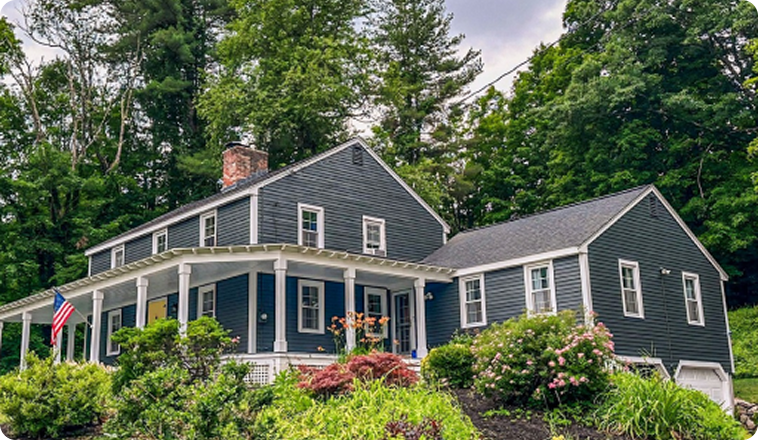
Yes. Exterior painting is worth the investment for most Massachusetts homes in 2026 because it protects siding and trim from moisture, helps upgrade worn out exterior surfaces, and reduces the risk of costly carpentry repairs caused by humidity and harsh winters.
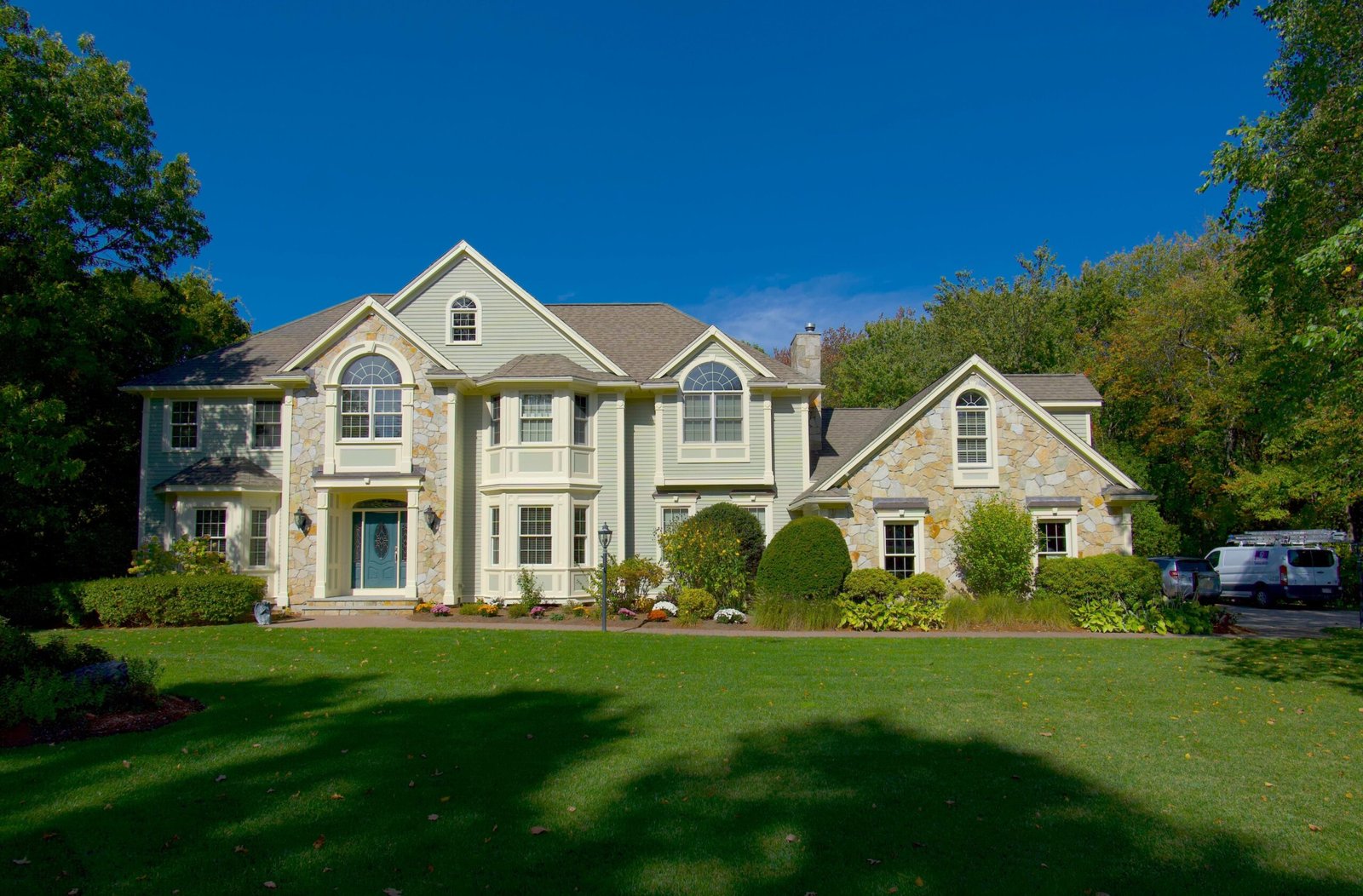
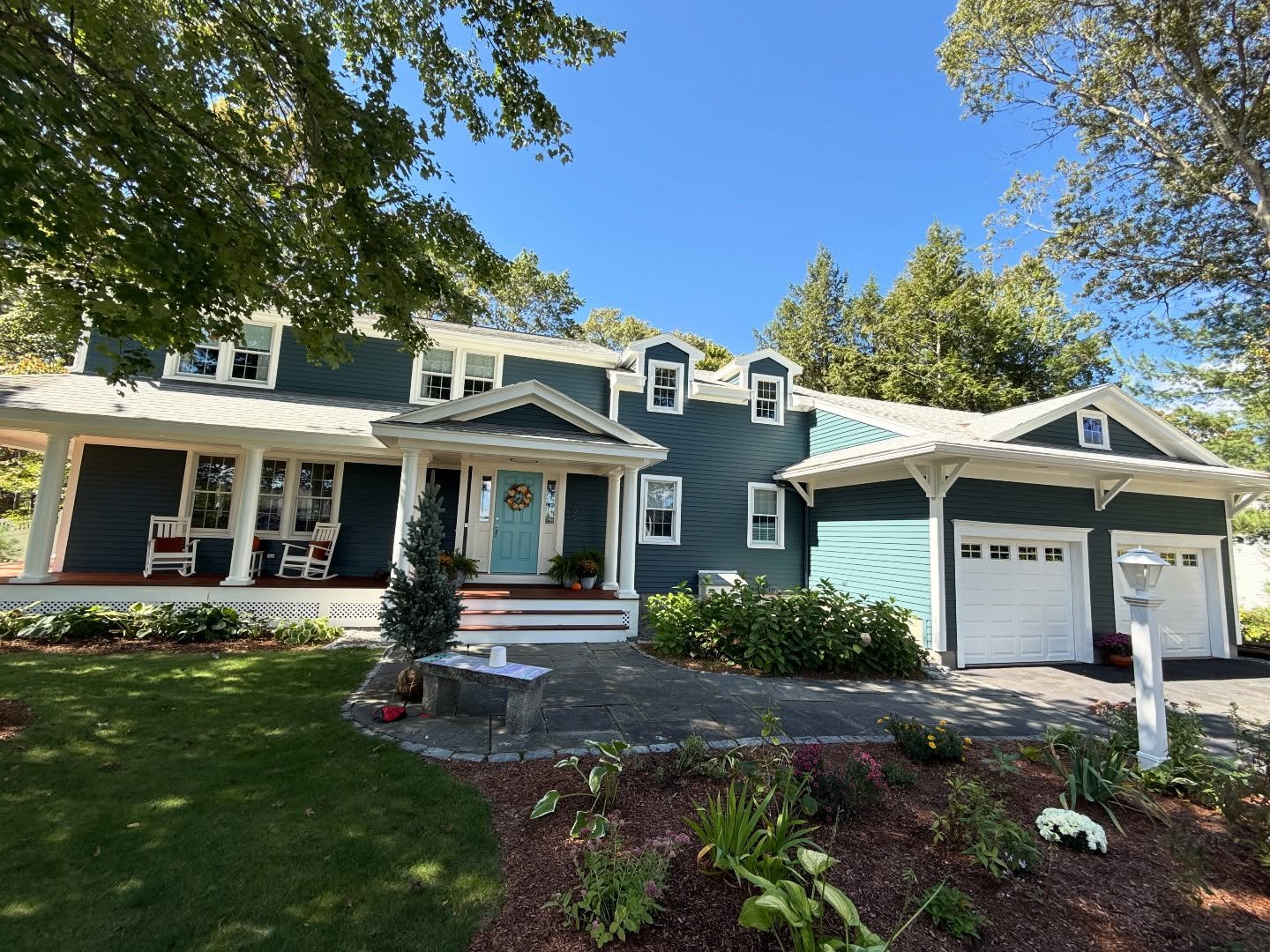
Compared to larger remodeling projects like a kitchen upgrade or bathroom renovation, exterior painting is often a more efficient big job. It improves a home’s curb appeal, protects the property, and can support home value when selling or planning for future buyers.
Why Exterior Painting Matters in Massachusetts and New England Homes
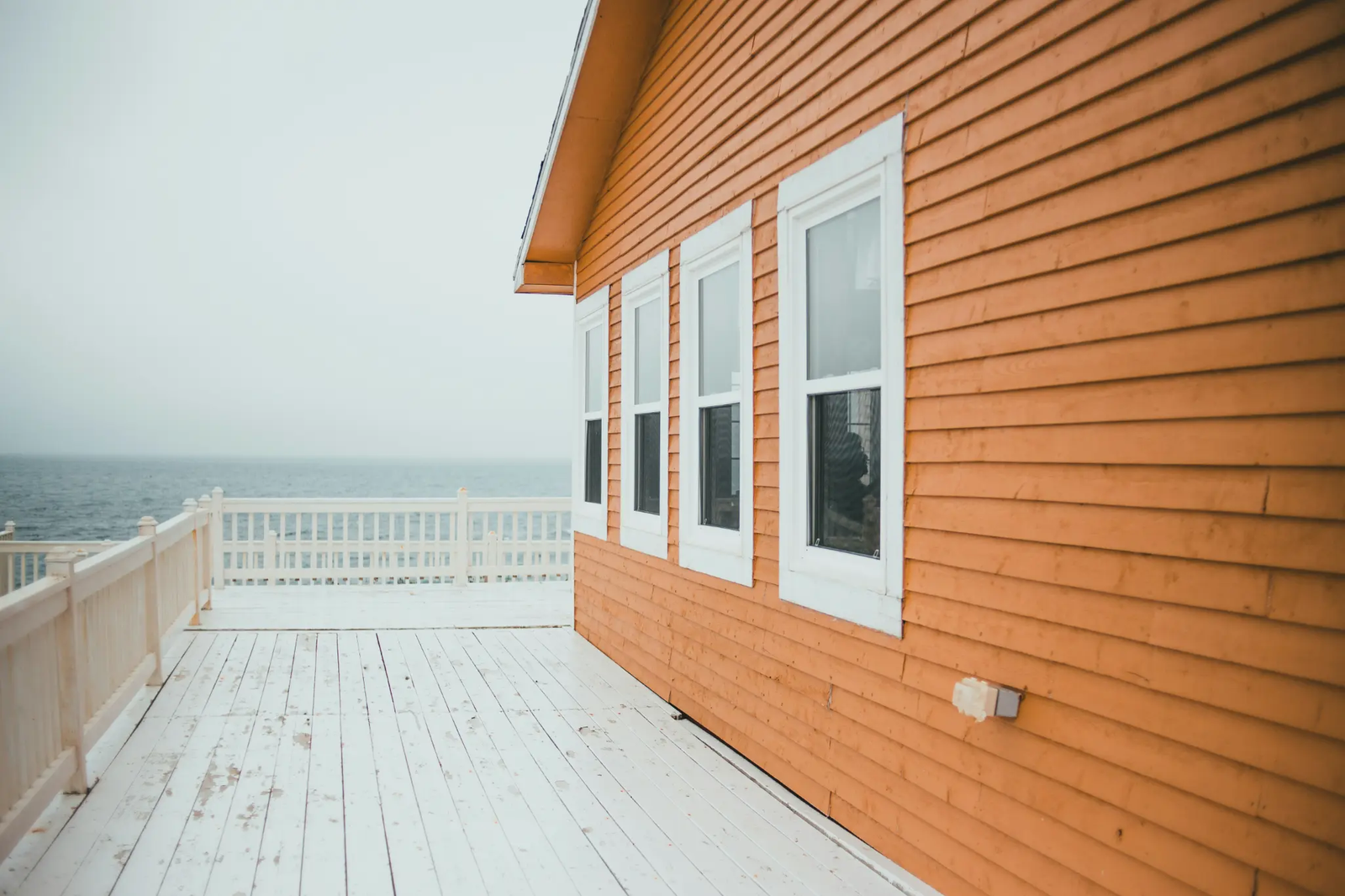
Massachusetts homes face demanding exterior conditions. Wind-driven rain, summer humidity, strong sun exposure, salt air in coastal areas, winter grit, and repeated freeze thaw cycles all accelerate wear on exterior walls, trim, and details like shutters.
In 2026, timing and planning are crucial. Demand for skilled trades remains high, labor rates fluctuate, and scheduling can be competitive. A well-timed painting project helps homeowners avoid rushed decisions and emergency repairs.
Painting the exterior is not just cosmetic. It functions as a protective maintenance layer that helps seal vulnerable joints, edges, and transitions, supporting the long-term condition of the house.
Exterior Materials Common in Massachusetts Homes
Many Massachusetts homes combine multiple exterior materials. Each surface requires specific preparation and paint type during exterior painting projects:
- Wood clapboards and traditional New England siding
- Cedar shingles, painted or stained
- Vinyl siding repainted for color refresh or uniform appearance
- Aluminum siding common in mid-century homes
- Brick homes with masonry accents
- Extensive exterior trim, fascia, soffits, and corner boards
When surfaces are properly prepared and coated, weak points are sealed and durability improves across the entire home.
Key Benefits of Exterior Painting
A professional paint job improves both protection and appearance.
Exterior painting helps by:
- Blocking moisture and reducing peeling, swelling, and wood rot around trim and joints
- Extending the lifespan of wood siding, cedar shingles, aluminum, and previously painted vinyl
- Refreshing vinyl and aluminum siding as a cost-effective alternative to replacement
- Protecting masonry accents and sealing trim transitions on brick homes
- Reducing mildew and staining on shaded or coastal exposures
- Sealing carpentry repairs so replaced trim and rebuilt areas last longer
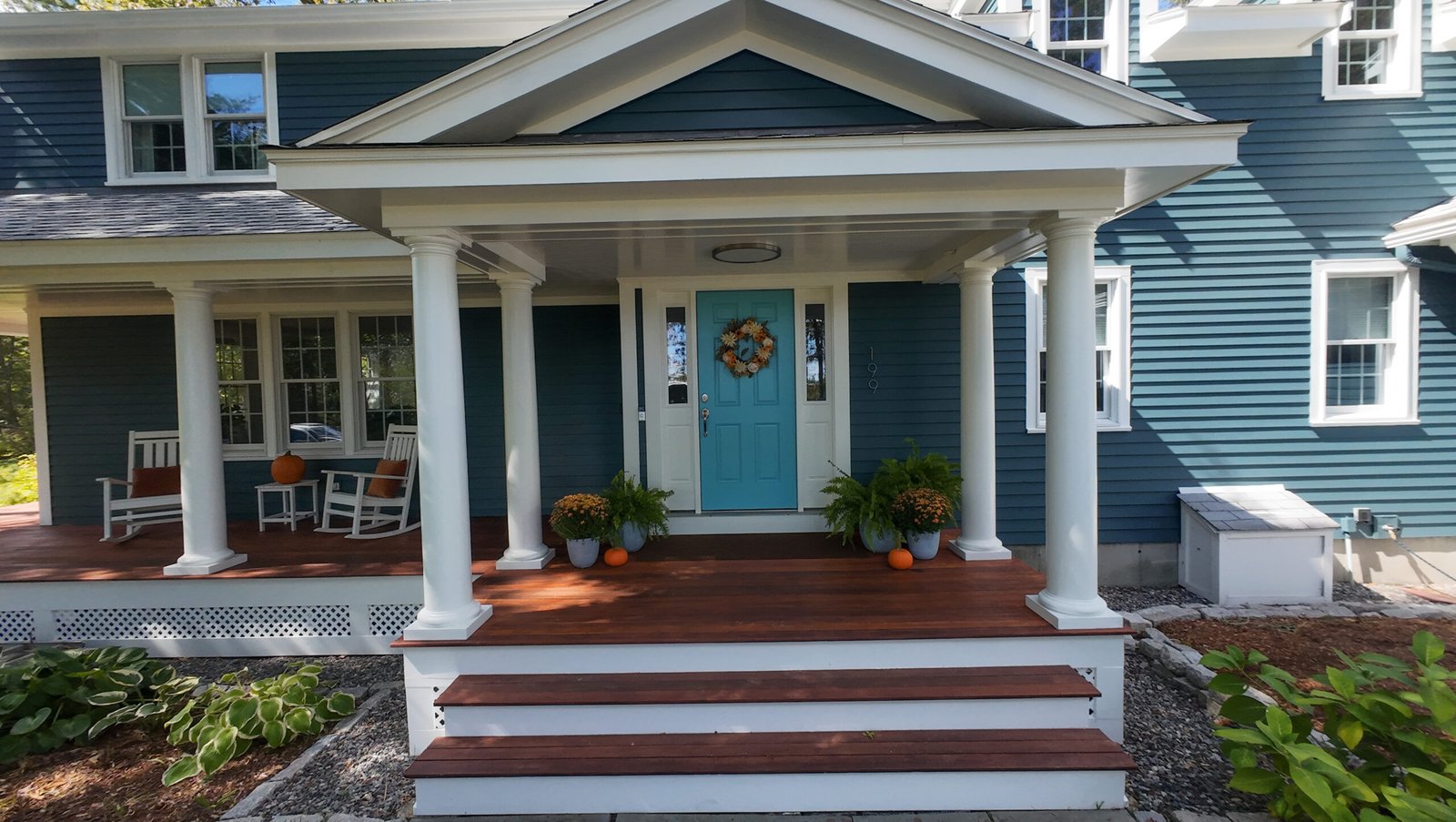
For many homeowners, painting the exterior is one of the most practical ways to improve curb appeal while protecting the structure.
Cost vs Value of Exterior Painting in 2026
The value of exterior painting comes from prevention. A planned repaint helps stop damage before it spreads, which is especially important for homes with cedar shingles, exposed wood trim, chalky aluminum siding, or masonry transitions.
Exterior painting is also one of the most visible improvements for potential buyers. A clean, well-maintained exterior can make a property more attractive and help protect home value when a sale is on the horizon.
Typical Estimated Cost Range
In Massachusetts, the estimated cost for a professional exterior paint job often ranges from mid four figures to low five figures. The final number varies based on:
- Home size and height
- Surface materials and condition
- Level of preparation, repairs, and paint removal
- Amount of trim, shutters, and detail work
- Access challenges and staging requirements
The most accurate way to determine cost to paint a house is through a site visit and detailed scope.
Why Exterior Painting Often Delivers Strong Return on Investment
In the remodeling industry, homeowners often compare projects by return on investment. Exterior painting frequently ranks well because it improves protection and first impressions at the same time.
Surveys of real estate professionals commonly estimate that repainting the exterior can deliver a return on investment around 50 percent, depending on location and condition. A fresh coat of paint may also increase perceived value and help a home sell faster by removing visible signs of neglect.
While exterior painting may not always deliver the biggest return compared to major interior remodeling, it often provides one of the most reliable and lower-risk upgrades.
Key Factors to Consider Before Painting
Seasonal Timing in Massachusetts
Late spring through early fall offers the most reliable conditions for exterior painting. Stable temperatures and lower humidity support proper adhesion and curing. Spring and early summer are often ideal, while fall can also work if temperatures remain consistent.
Painting during freezing temperatures or rapidly changing weather increases the risk of failure and should generally be avoided.
Surface Condition and Carpentry Repairs
Before painting, inspect for peeling paint, cracked caulk, chalky residue, and soft or rotted wood around trim, fascia, and window sills. Compromised wood should be repaired or replaced before coating begins. Painting over damaged material shortens the life of the finish and increases future costs.
Paint, Stain, and Coating Selection
Different materials require different systems:
- Wood and cedar shingles need breathable, moisture-resistant coatings
- Vinyl siding requires vinyl-safe products that allow expansion
- Aluminum siding needs coatings that bond properly after oxidation is addressed
- Brick and masonry require systems designed for mineral surfaces and trim transitions
High-quality acrylic latex paints are commonly used in Massachusetts due to their flexibility and durability. For surfaces requiring even greater resilience, many property owners opt for epoxy floor coating solutions. Brands like Benjamin Moore and Sherwin Williams are often selected for their performance in variable weather.
Lead Safety and Dust Control
Homes built before 1978 may contain lead paint layers. Lead-safe practices, containment, and HEPA-equipped tools add steps to the painting process but are critical for safety and compliance.
Planning, Communication, and Warranty Coverage
Well-managed projects include a clear scope of work, defined repair allowances, organized scheduling, and a written warranty. Clear communication helps homeowners stay on budget and reduces surprises once work begins.
How New England Weather Affects Exterior Surfaces
New England weather puts constant stress on exterior surfaces. Wind-driven rain forces moisture into seams. Humidity supports mildew growth. Freeze thaw cycles strain joints and caulk lines. Coastal salt and winter grit accelerate wear on lower siding.
A properly applied paint or stain system acts as a protective barrier, slowing moisture absorption and helping surfaces remain stable through seasonal extremes.
Impact on Resale Value
A clean exterior sends a strong signal of care. Buyers notice peeling trim, stained siding, and neglected wood immediately. Removing those signals helps potential buyers focus on the house itself rather than future repairs.
Exterior painting can also improve listing photos and overall presentation, which matters in competitive Massachusetts markets.
Consequences of Skipping Exterior Painting
Delaying repainting often turns small issues into expensive repairs. Once bare wood or failing caulk is exposed, moisture intrusion accelerates rot, loosens boards, and increases carpentry costs. Damage behind surfaces can expand quickly, especially after harsh winters.
Preventative painting combined with targeted repairs is usually the more budget-friendly approach over time.
Conclusion: Is Exterior Painting Worth It in Massachusetts?
For most Massachusetts homeowners, exterior painting is a practical and worthwhile investment. It protects exterior walls, helps upgrade worn out surfaces, improves curb appeal, and supports long-term home value.
The best results come from treating it as a complete system: proper prep, timely repairs, correct product selection, and good scheduling. That approach separates a short-lived paint job from one that performs well for years.
To get started, request an estimate through the contact form on GL Alliance Painting Painting’s website. A clear scope and schedule help control budget, protect money already invested in the home, and improve the odds of a successful project.
Frequently Asked Questions
What return on investment can exterior painting provide?
Industry surveys of real estate professionals commonly estimate a return on investment of around 50 percent, though results vary based on location, home condition, and market demand. Exterior painting often performs well because it improves both protection and first impressions.
Can a fresh coat of paint increase a home’s sale price?
In many cases, yes. A fresh exterior can increase perceived value and help a property feel more attractive to future buyers. Gains vary, but the biggest impact often comes from correcting visible wear before listing.
Is exterior painting worth it for vinyl or aluminum siding?
Yes, when the proper preparation and coating systems are used. Vinyl requires vinyl-safe paint, and aluminum often needs careful cleaning and bonding prep to address chalking or oxidation.
Does exterior painting protect cedar shingles?
Yes. Properly painted or stained cedar shingles resist moisture absorption and weathering, which is especially important in humid summers and freeze thaw winters.
What paint type holds up best in Massachusetts weather?
High-quality acrylic latex paints are commonly used because they remain flexible through temperature changes and resist cracking and peeling. Product choice should always match the specific surface and exposure.
Is painting cheaper than replacing siding or trim?
In many cases, yes. Painting combined with selective repairs is often far more cost-effective than full replacement when the underlying materials are still structurally sound.
Should rotted trim be replaced before painting?
Yes. Rotted wood should be repaired or replaced before painting to ensure proper adhesion and long-term durability.
Final Thoughts
Exterior painting is more than a visual upgrade. In Massachusetts, it is a practical decision that protects your home from moisture, seasonal movement, and long-term surface damage. When done at the right time and with the right preparation, it helps preserve materials, reduce future repair costs, and keep the home looking well cared for.
Whether you are maintaining your current property or preparing for a future sale, a well-executed exterior paint project supports both function and appearance. The key is approaching it as a complete system, not just a color change. Proper prep, thoughtful product selection, and professional execution are what determine how long the results last.
For homeowners deciding when and how to move forward, the best next step is clarity. A detailed evaluation of your home’s exterior condition makes budgeting easier and helps set realistic expectations. With good planning, exterior painting becomes a smart, controlled investment rather than a rushed expense. Get your free consultation today with GL Alliance Painting!