How often should you paint your house in Newton, MA? It depends on what your home exterior is made of, how New England’s climate treats your surfaces year to year, and the quality of the last paint job applied. Exterior paint lasts anywhere from 3 to 20 years, depending on siding material, and interior walls carry repainting cycles ranging from 2 years in a child’s bedroom to over a decade in a well-maintained adult room. No single number fits every Newton house; the right repaint cycle starts with an honest read of your specific surfaces, material, and conditions.
“The National Association of Realtors’ 2022 Remodeling Impact Report found that interior painting delivers an estimated 107% cost recovery at resale – ranking it among the highest-ROI home improvement projects a homeowner can complete, and underscoring why maintaining a consistent repaint schedule pays off beyond aesthetics alone.”
– National Association of Realtors, 2022 Remodeling Impact Report
At a Glance
- How often should you paint your house exterior in Newton, MA runs every 5 to 10 years for most homes, shifting based on siding material and harsh winter exposure.
- Interior walls in Newton homes need repainting every 2 to 15 years, depending on room type, traffic level, and moisture exposure across bathrooms, kitchens, and laundry rooms.
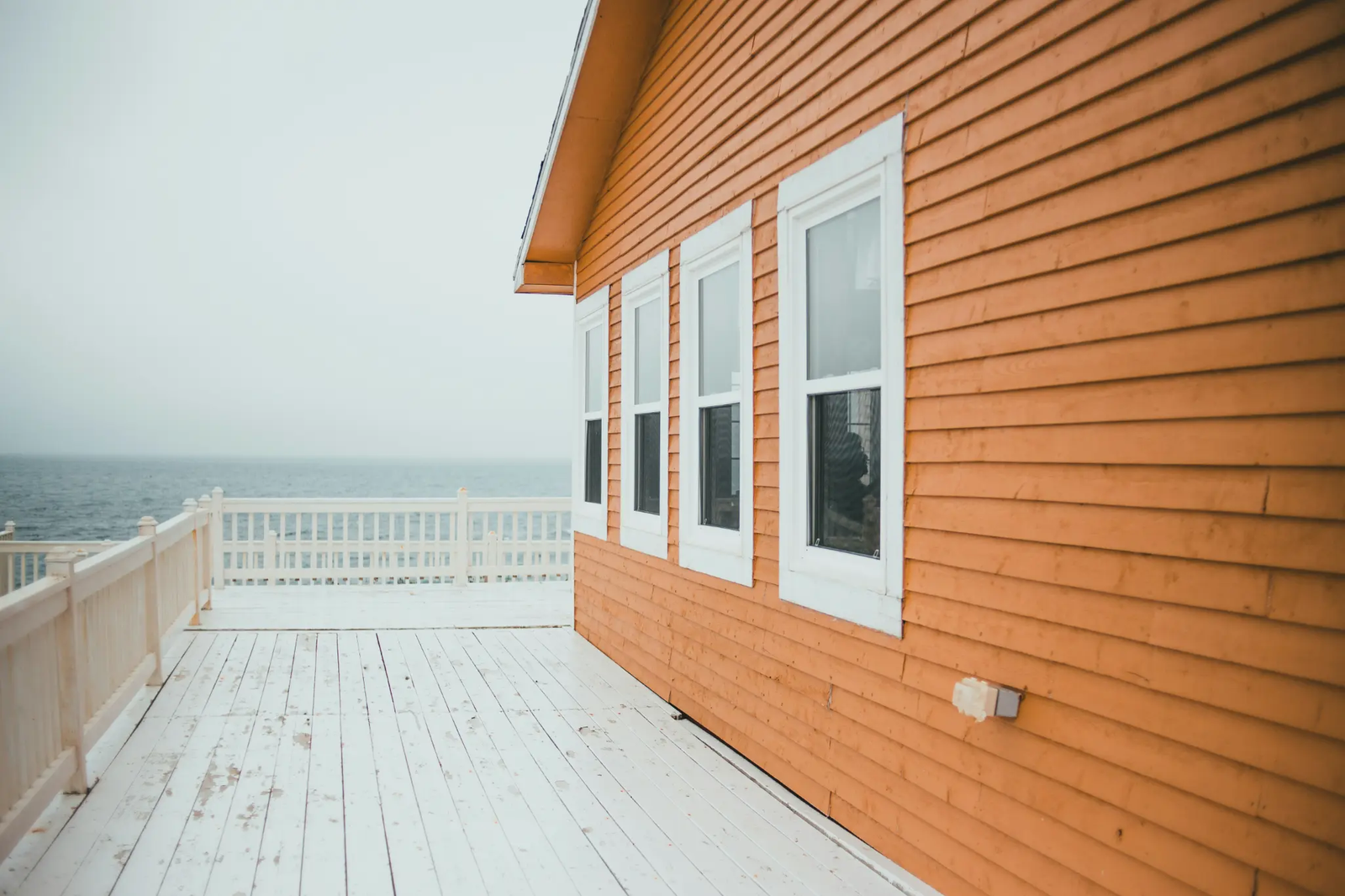
- Wood siding carries the shortest exterior paint cycle at 3 to 7 years, and painted brick carries the longest at 15 to 20 years when properly applied.
- Peeling, fading, mold, chalking, and cracked trim caulk are the clearest signs a fresh coat of paint is overdue on any Newton, MA house.
- High-quality paint extends every repaint cycle significantly – low-quality paint saves cost upfront and compounds repainting expenses faster across every exterior and interior surface it covers.
Newton, MA Paint Cycle Quick Reference
Exterior repaint cycle for most Newton homes
Wood siding – shortest exterior cycle
Kids’ bedroom interior repaint cycle
Painted brick – longest exterior cycle
(Cycles assume high-quality paint properly applied over thoroughly prepared surfaces)
How Often Should You Paint the Exterior of Your House?
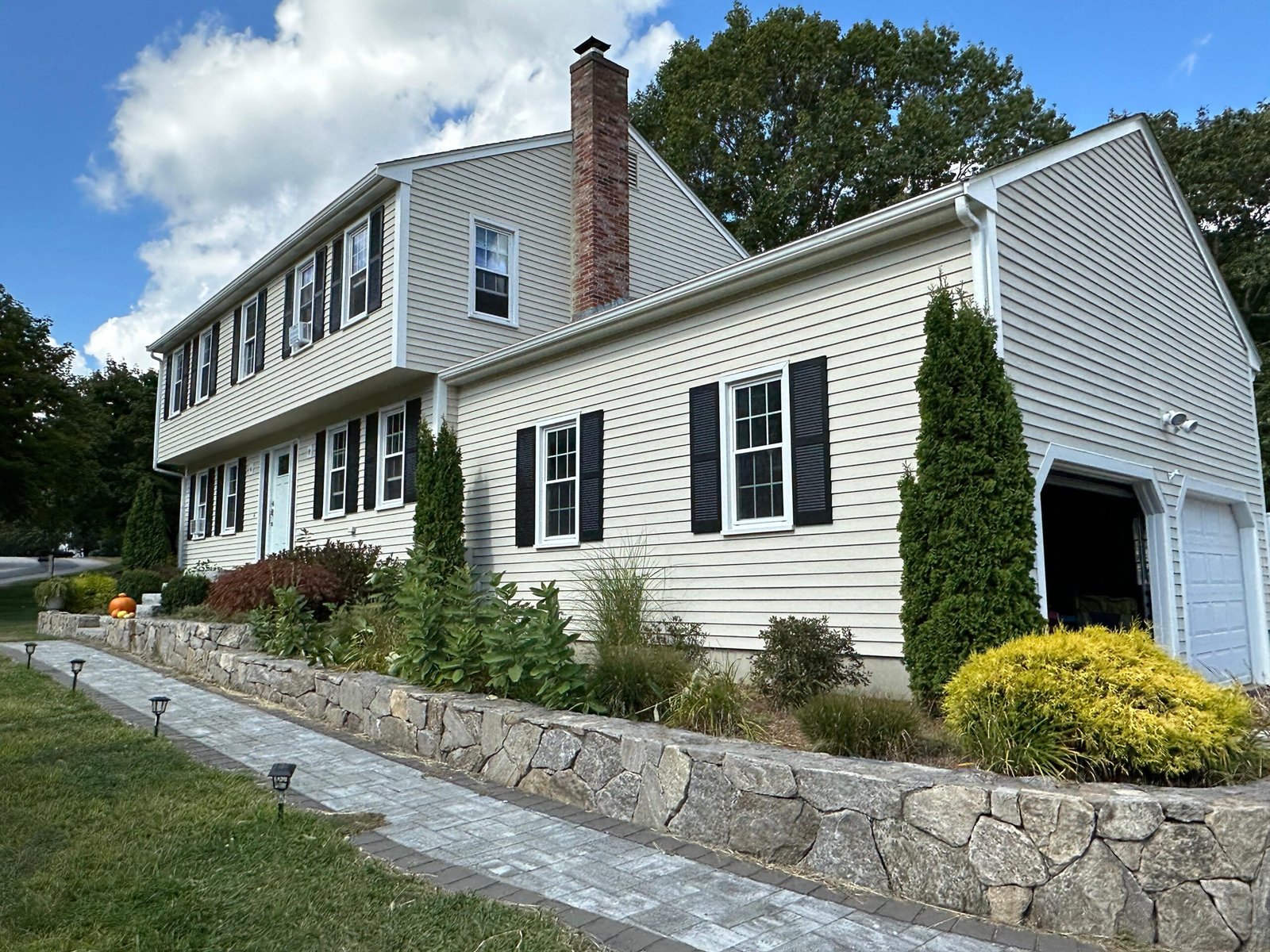
Exterior paint on a Newton, MA house needs refreshing every 5 to 10 years across most homes in standard condition, and the paint job cycle compresses toward the lower end whenever siding condition, Massachusetts climate exposure, or previous low-quality paint application pushes deterioration ahead of schedule. Fading, peeling, and surface wear on a Newton home exterior represent the clearest signal that the current coat of paint has reached the end of its protective life. High-quality paint properly applied over thoroughly prepared surfaces consistently reaches the upper end of that 5-to-10-year range across Newton’s residential exteriors.
Siding material shapes the exterior paint cycle more directly than any other single variable on a Newton, MA house. Wood siding needs a new coat every 3 to 7 years; it is the most vulnerable siding material to moisture, mold, and fading under New England elements. Aluminum siding holds paint for approximately 5 years before wear and oxidation require a fresh coat, and stucco and vinyl siding reach the 10-year mark before repaint demands register consistently across Newton, MA residential exteriors.
Exterior Repaint Cycles by Siding Material – Newton, MA
| Siding Material | Repaint Cycle | Key Risk Factor |
|---|---|---|
| Wood Siding | 3-7 years | Moisture absorption, mold, freeze-thaw cycling |
| Aluminum Siding | ~5 years | Oxidation and surface wear under UV exposure |
| Stucco | 5-10 years | Moisture absorption in Newton’s wet seasons |
| Vinyl Siding | ~10 years | UV fading on sun-exposed exterior surfaces |
| Painted Brick | 15-20 years | Breathable coating requirement – moisture trapping risk |
(Cycles represent high-quality paint applications in standard Newton, MA climate conditions)
How Often Should You Paint Inside Your House?
Interior repainting cycles in Newton, MA homes vary dramatically by room type, usage intensity, and moisture exposure across the whole house. A dining room carries a very different repaint timeline than a child’s bedroom or a high-moisture bathroom, and understanding each room’s specific cycle prevents both premature repaint spending and visible wear that diminishes your Newton home’s interior quality. Here’s how often you should paint across every room type:
Living Rooms and Dining Rooms
Living rooms and dining rooms in Newton homes typically need repainting every 5 to 7 years under normal usage conditions. These rooms carry moderate traffic, limited moisture, and standard wear and tear; conditions that high-quality paint in a flat or satin finish handles across the full cycle without visible peeling, fading, or mold development on the interior walls. A dining room near a kitchen carrying steam and cooking exposure trends toward the shorter end of that cycle.
Bedrooms and Kids’ Rooms
Adult bedrooms need repainting every 5 to 10 years, and kids’ bedrooms require a fresh coat every 2 to 4 years due to playful wear, scuffs, and the inevitable wall art that active children produce on interior walls in Newton family homes. The gap between adult and children’s bedroom repaint cycles is one of the widest in any Newton house; a 2-year kids’ room cycle versus a potential over a decade adult bedroom cycle in low-traffic conditions with high-quality paint. A fresh coat in a kids’ room also delivers the new look that growing children genuinely benefit from as their tastes and needs evolve across room repaint cycles.
Kitchens and Bathrooms
Kitchens need repainting every 3 to 5 years in active Newton homes, driven by moisture, grease, steam, and the wear and tear that daily cooking generates on interior walls and ceiling surfaces. Bathrooms and laundry rooms carry a 3-to-4-year repaint cycle; moisture-heavy environments accelerate mold, mildew, and peeling on interior walls far ahead of drier room types. Newton homes with bathrooms lacking adequate ventilation see moisture-driven paint deterioration at the aggressive end of that cycle, regardless of paint quality applied.
Interior Repaint Cycles by Room Type
Living Room / Dining Room: Every 5-7 years – moderate traffic, low moisture, standard wear conditions.
Adult Bedroom: Every 5-10 years – low traffic and high-quality paint push toward the upper end of the range.
Kids’ Bedroom: Every 2-4 years – scuffs, wall art, and active daily use compress the cycle significantly.
Kitchen: Every 3-5 years – grease, steam, and moisture are the primary cycle drivers in active Newton kitchens.
Bathroom / Laundry Room: Every 3-4 years – sustained moisture exposure accelerates mold and adhesion failure faster than any other interior room type.
(Cycles assume adequate ventilation and high-quality paint; poor ventilation compresses every moisture-prone room cycle)
Signs It’s Time to Repaint Your House
- Peeling and bubbling: Peeling and bubbling paint on interior walls or exterior siding signals the current coat of paint has broken its adhesion bond; a direct indicator that repaint is overdue across the affected surfaces.
- Fading: Visibly faded exterior paint or washed-out interior walls indicate UV exposure and wear have depleted the paint’s pigment and protective quality across the home exterior and room surfaces.
- Mold and mildew growth: Visible mold on walls, ceilings, or exterior siding signals moisture infiltration that a fresh coat of paint alone cannot resolve; the underlying moisture source requires attention before any repaint delivers lasting results.
- Chalking: A powdery residue on exterior siding or brick surfaces indicates the paint’s binders are breaking down; an early exterior paint deterioration signal that homeowners in Newton, MA, frequently overlook until full peeling develops.
- Cracked caulk and damaged trim: Cracked caulking at trim, doors, and windows on the home exterior allows moisture into the siding structure beneath, accelerating wear and compressing the exterior paint cycle regardless of how recently the last paint job was completed.
Extend Your Repaint Cycle vs. Compress It
Do – Extend Your Cycle
- Use high-quality paint from Benjamin Moore or Sherwin-Williams
- Wash exterior surfaces annually to remove mold and contaminants
- Address cracked caulk and damaged trim before moisture gets in
- Paint during spring or fall for optimal adhesion conditions
Don’t – Compress Your Cycle
- Use budget paint to save upfront – it costs more over 10 years
- Skip surface prep – peeling starts where prep was skipped
- Ignore mold or moisture issues before repainting over them
- Paint in extreme heat or high humidity – adhesion fails early
(The decisions made at paint day determine whether your next repaint is in 5 years or 10)
How Siding Material Affects Your Repainting Schedule
Wood siding is the most demanding siding material on any Newton, MA house from a repaint frequency standpoint; needing a fresh coat every 3 to 7 years as moisture, mold, and harsh winters cycle against the paint film on wood’s naturally porous surface. Wood is more vulnerable to moisture damage than any other siding material, producing paint bubbling, cracking, and peeling faster under Newton’s four-season climate load. High-quality paint properly applied over prepared wood siding consistently reaches the upper end of the 7-year cycle – and low-quality paint frequently fails within 3 years on the same wood surface.
Aluminum siding holds exterior paint for approximately 5 years before oxidation and surface wear demand a new coat across Newton home exteriors. Stucco and vinyl siding reach the 10-year mark as a general repaint benchmark; stucco carries moisture absorption risks in Newton’s wet seasons, and vinyl siding fades under UV exposure across the home exterior’s sun-exposed surfaces. Both materials benefit from annual cleaning that removes mold, mildew, and surface contaminants, extending paint life toward the full 10-year cycle.
How Paint Quality and Climate Affect Repainting Frequency
High-quality paint represents the single most impactful investment in extending any repaint cycle across Newton, MA homes. Low-quality paint saves cost at the purchase stage and delivers a compressed paint job lifespan, demanding a fresh coat years ahead of what a high-quality paint product properly applied to the same surfaces produces. Quality paint delivers higher washability, durability, and fading resistance that compound directly into real cost savings across every repaint cycle over a decade of Newton house ownership.
Newton, MA’s climate applies consistent pressure to every exterior paint cycle through harsh winters, freeze-thaw moisture cycling, spring rain, summer UV, and the occasional coastal salt air exposure across Wellesley and Newton’s more exposed neighborhoods. Paint on the home exterior protects wood, stucco, brick, and aluminum siding from the elements, and the thinner or lower-quality the paint film gets, the faster Newton’s climate penetrates it. Annual washing of exterior surfaces removes mold, mildew, and contaminants that accelerate paint deterioration between repaint cycles, and addressing peeling and fading signs early avoids the compounding prep cost that neglected exterior paint generates.
Quick TipSchedule your Newton exterior repaint for May through October – Massachusetts spring and fall windows give you the moderate temperatures and lower humidity that produce the strongest paint adhesion and longest-lasting results on any siding material. Avoid painting in temperatures below 50 degrees or above 90 degrees, and never apply exterior paint within 24 hours of expected rain.
Making the Most of Every Paint Job in Newton, MA
A paint job applied correctly by experienced professionals reaches the upper end of every siding material’s repainting cycle, and the difference between a 5-year and a 10-year exterior paint performance on the same Newton home exterior frequently comes down entirely to the quality of the original application. Plan your repaint schedule around Newton’s spring and fall mild weather windows for exterior scopes; moderate temperatures and lower moisture produce the strongest new paint adhesion across every siding material.
GL Alliance Painting serves Newton, Wellesley, Lexington, Weston, Concord, Dover, and 25+ Massachusetts communities with in-house professional painters, high-quality paint products, and a 3-year written warranty backing every interior and exterior paint job completed. Founded by Grace Lima with 10+ years of hands-on residential paint experience, the team brings thorough prep work, premium materials, and transparent daily communication to every Newton house repaint – delivering a fresh coat that protects your home and performs across the full cycle it deserves. Call 857-255-1336 or visit glalliancepainting.com for a free estimate on your Newton, MA paint job today.