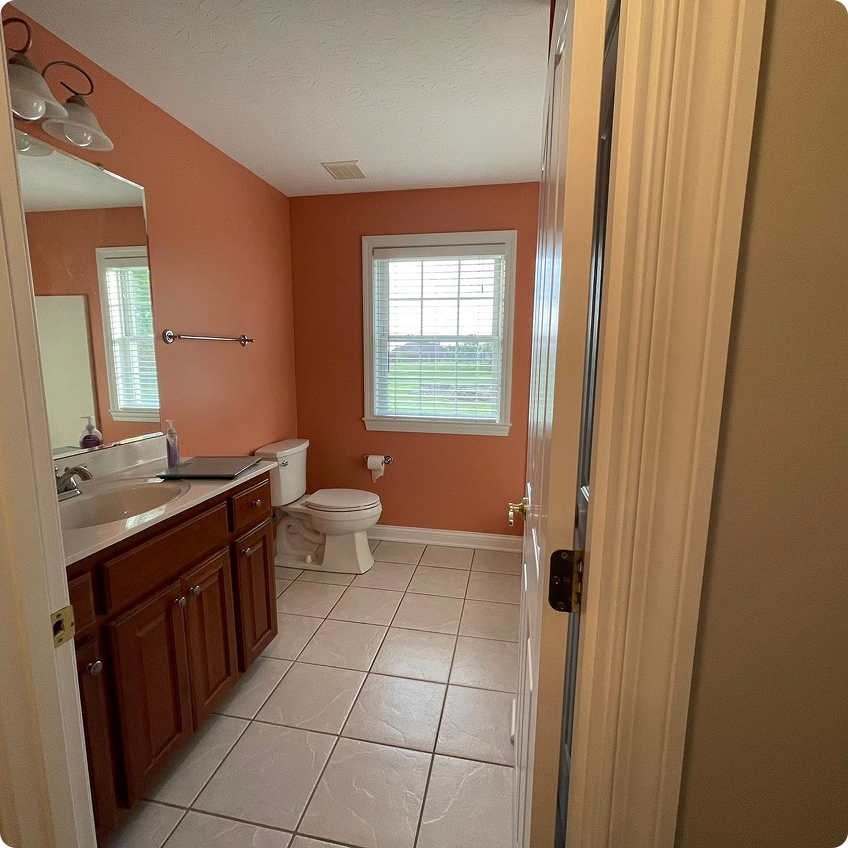
The best mold-resistant paint for bathrooms is a mildew-resistant, antimicrobial formula, such as Benjamin Moore Aura Bath & Spa or a Zinsser Perma-White primer. Applied in a satin or semi-gloss finish, it stands up to the steam and humidity that feed mold. Just know that paint alone will not fix an existing moisture problem.
You wipe the same dark specks off the bathroom ceiling every few weeks, and they keep coming back. In a humid Greater Boston bathroom, that is not a cleaning problem so much as a paint-and-moisture problem. The best mold-resistant paint for bathrooms helps, but only as part of a bigger fix.
This guide covers what actually works for Newton MA homeowners across Metro West with steamy, mildew-prone baths. It is the same careful prep behind every interior painting project we take on, because in a bathroom, prep is most of the battle. Get it right and the finish lasts for years.
Mold-Resistant Paint for Bathrooms: What to Know
Let us be decisive. Mold-resistant paint for bathrooms is regular-looking paint with built-in ingredients that stop mildew from taking hold. It is the single easiest upgrade for a damp bathroom.
The best paint for bathrooms is built for exactly this environment. It combines mildew resistance with moisture-resistant paint performance, so steam beads up instead of soaking in. Look for lines made specifically for baths and high-humidity rooms.
The big brands all make one. Sherwin-Williams and Benjamin Moore both offer bath-specific paints, and dedicated products like Zinsser Perma-White are popular for good reason. Your painter can match the right one to your walls.
Why Bathrooms Are Prone to Mold and Mildew
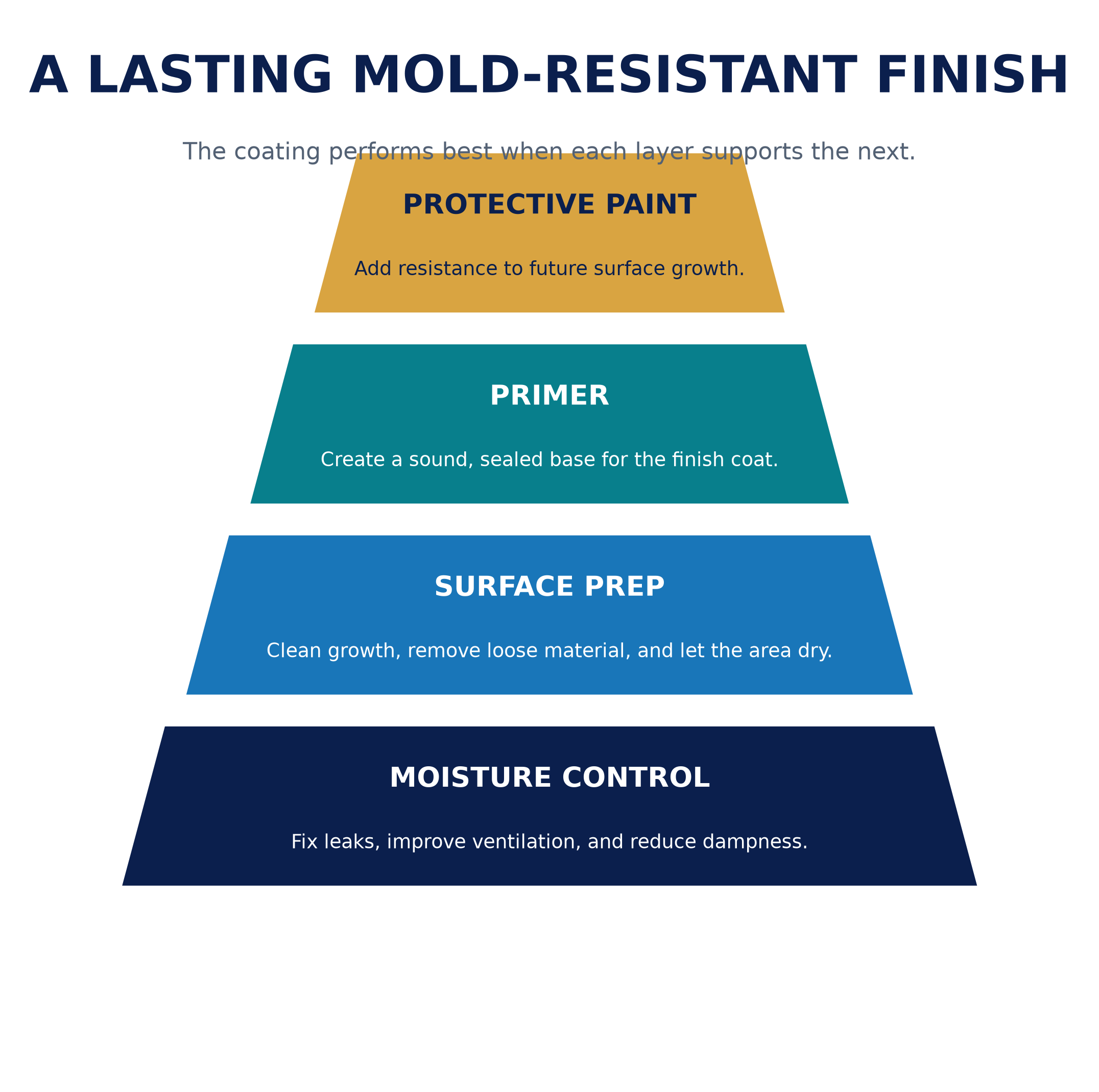
Mold is not a mystery; it is a moisture story. Bathroom humidity and steam from every shower settle on cool walls and ceilings and linger. Give that dampness a food source and warmth, and you have ideal conditions.
That is why mold and mildew growth shows up first in bathrooms. It clusters near the shower, in corners, and along the ceiling where steam rises and sits. Poor airflow only makes it worse.
Older New England homes make it tougher still. Many have small, under-ventilated bathrooms that trap moisture, so condensation and moisture control become constant battles. That is exactly why the right paint and prep matter here.
How Mold- and Mildew-Resistant Paint Works
The technology is simpler than it sounds. Mildew-resistant paint is engineered for damp rooms from the start. It carries antimicrobial paint additives that make the surface inhospitable to mold spores.
The finish matters as much as the additives. These paints cure into a tight, washable, scrubbable finish that wipes clean and does not absorb water. Splashes and steam sit on top instead of soaking in.
None of it is a substitute for doing the job properly. A good look at how the pros approach a mold-resistant bathroom shows the additives are only half the story. Prep and application do the rest.
Choosing the Right Sheen and Finish
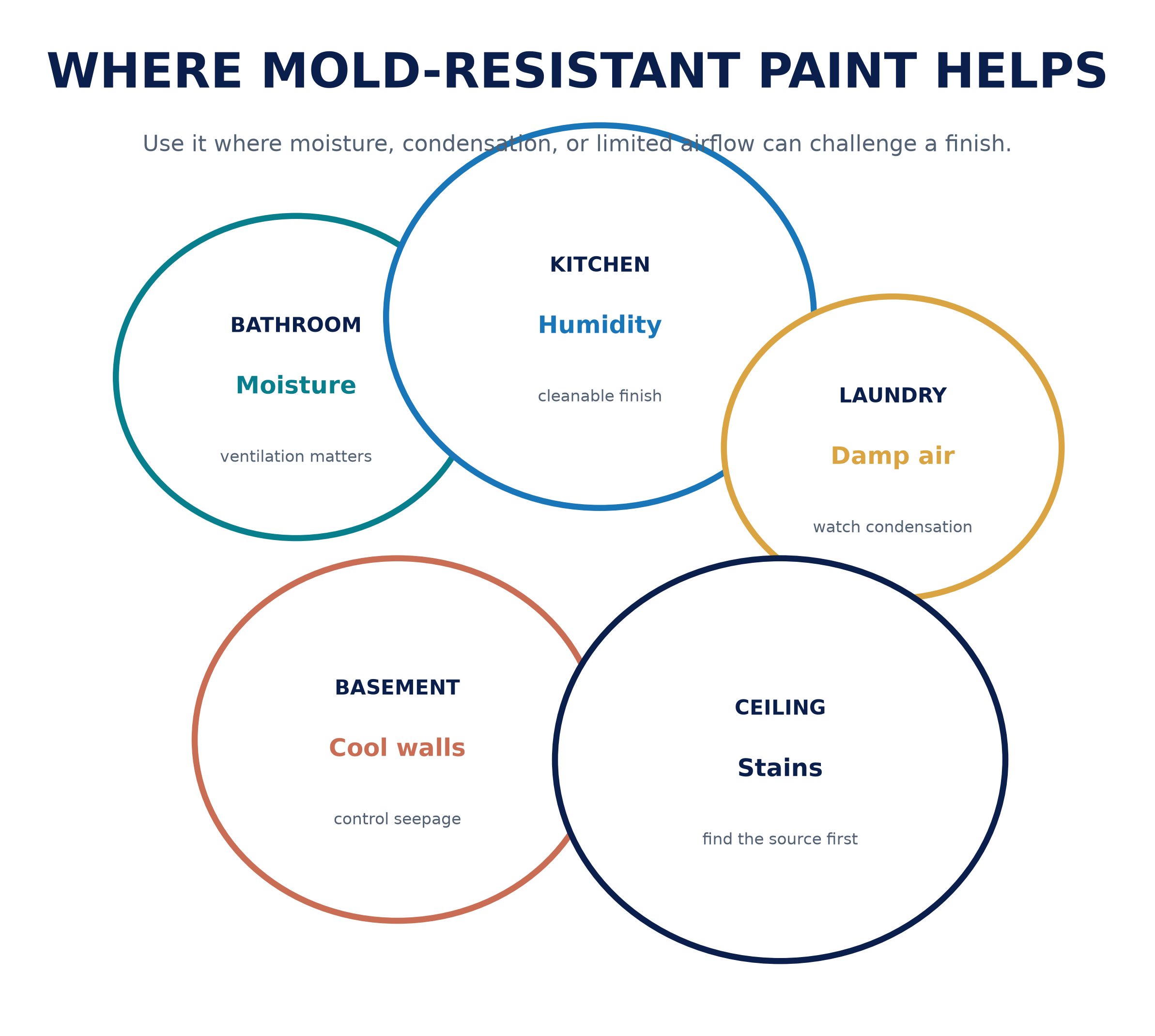
Sheen is not just a look in a bathroom; it is a defense. Flat paint soaks up moisture and stains, which is the last thing you want near a shower. Go glossier.
For walls, a semi-gloss and satin sheen is the sweet spot, tough enough to wipe down and resistant to moisture. Satin looks softer, while semi-gloss is the most durable and easiest to clean. Either one beats flat in a wet room.
Do not forget overhead. Bathroom ceiling paint should also be a mildew-resistant formula, since the ceiling catches the most steam of all. It is the spot we see fail most often in the homes around Wellesley, Lexington, and the South Shore that we repaint.
Prep and Priming to Stop Mold Coming Back
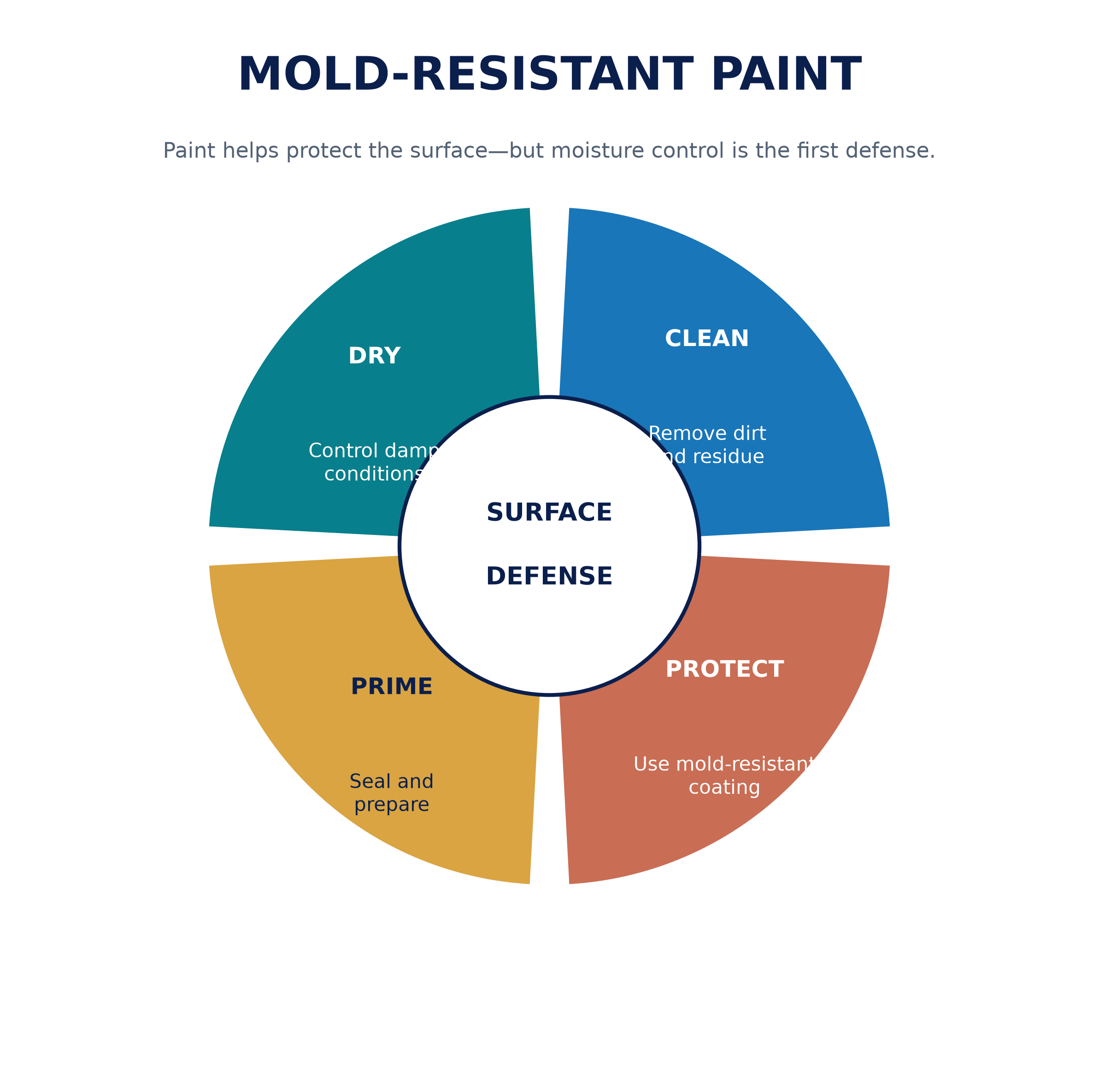
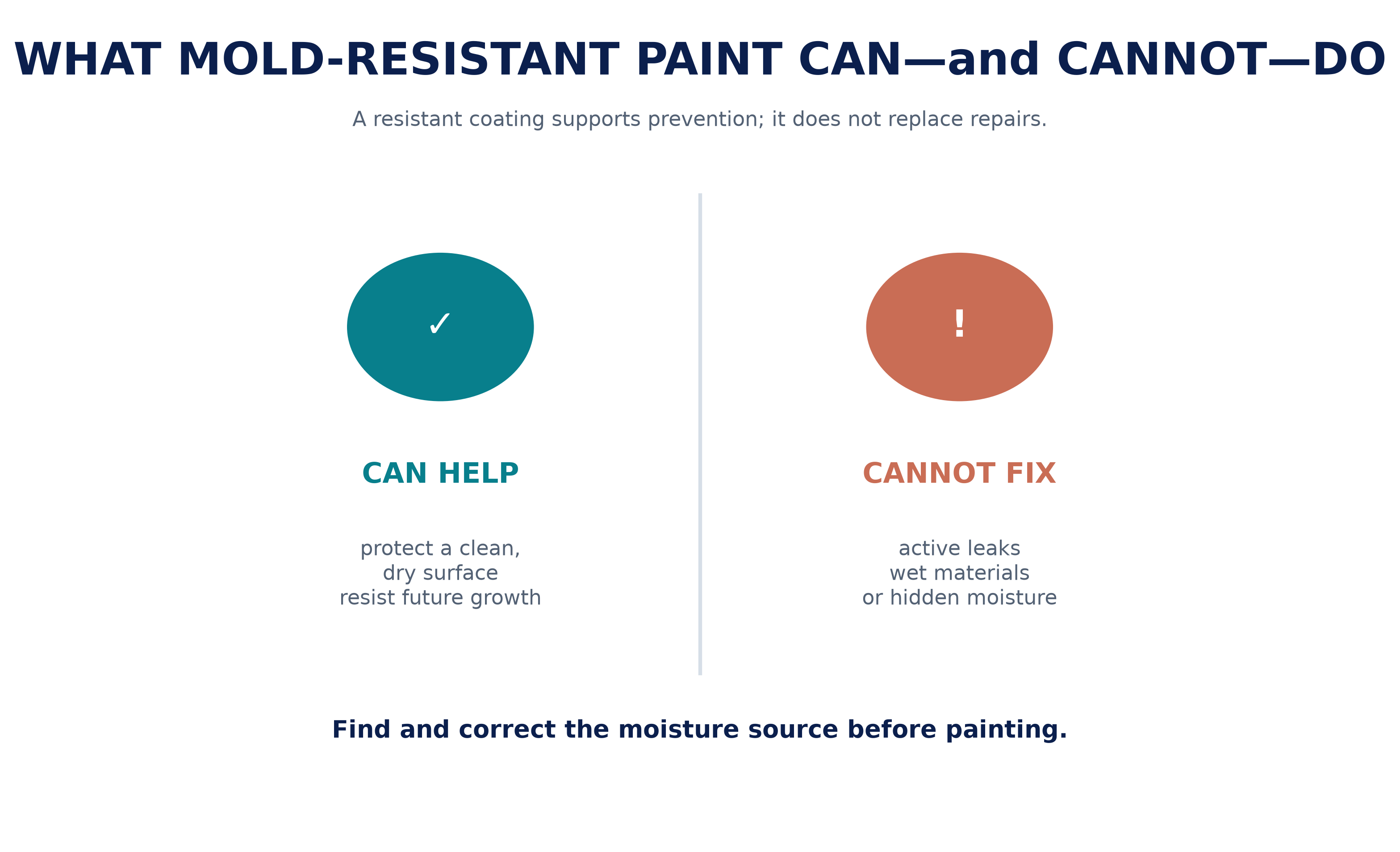
Here is where most bathroom paint jobs succeed or fail. Skipping prep is why paint peels and mildew returns within months. To repaint the right way, follow this order.
- Kill what is there. Start with mold-killing cleaning, using a bleach or dedicated mold solution, and let it dry fully.
- Prep the surface. Do proper surface preparation by scraping loose paint, sanding glossy spots, and repairing any damage.
- Prime it. Apply a stain-blocking primer made for damp areas to seal the surface and block old stains.
- Paint it. Finish with two coats of paint for full, even coverage and lasting protection.
Prep is what gives you real paint adhesion, so the finish bonds instead of lifting. Skip it, and you invite peeling and bubbling paint the first humid summer. That is the difference between a fix and a redo.
Paint Isn’t Enough: Ventilation and Moisture Control
Here is the honest part most guides skip. Even the best paint cannot beat a bathroom that stays wet, so you have to control the moisture itself. A few habits and fixes make the paint’s job possible.
- Run an exhaust fan during every shower and for 20 to 30 minutes after.
- Make sure the bathroom has proper ventilation, with the fan vented outside, not into the attic.
- Wipe down walls and glass after showers to cut lingering moisture.
- Fix leaks and drips quickly, since hidden water feeds mold behind the paint.
Handle the moisture and the right paint will hold up for years. Ignore it, and no paint on the market will save the wall.

Professional Bathroom Painting in Newton, MA
A bathroom is a small room with a lot of ways to get it wrong. Professional painters handle the mold removal, prep, priming, and finish coats so it lasts. That is where real quality workmanship shows.
It starts with a plan. A quick color and finish consultation locks in the right product and sheen for your space. In pre-1978 homes, our crew also follows lead-safe practices during sanding and prep, and every job is backed by a durable, long-lasting finish under our 3-year written warranty.
If you want the best mold-resistant paint for bathrooms chosen and applied correctly, we can help. You can book a free estimate and let our crew handle the prep and paint. Request a free quote and stop fighting the same specks every month.
Frequently Asked Questions
What is the best mold-resistant paint for a bathroom?
A mildew-resistant, antimicrobial paint made for bathrooms, applied in satin or semi-gloss. Well-known options include Benjamin Moore Aura Bath & Spa and Zinsser Perma-White, but the right pick depends on your walls and prep.
Does mold-resistant paint really stop mold?
It resists mold growth on the painted surface, but it is not a cure-all. If the underlying moisture and ventilation are not addressed, mold will eventually return.
What sheen is best for a bathroom, satin or semi-gloss?
Both work well. Satin looks softer and hides minor flaws, while semi-gloss is the most durable and easiest to wipe clean, which makes it great for high-splash walls and ceilings.
Do I need to prime before painting a bathroom?
Usually, yes. A stain-blocking, moisture-tolerant primer seals the surface, blocks old stains, and helps the paint bond so it does not peel in the humidity.
Will painting fix my bathroom mold problem?
Only partly. You must kill existing mold, prep properly, and fix ventilation or leaks, because paint is the finishing step, not the whole solution.
Should I paint the bathroom myself or hire a pro?
A small, dry bathroom can be a DIY job, but heavy mildew, poor ventilation, or older homes with possible lead paint are best left to professionals who prep it correctly.