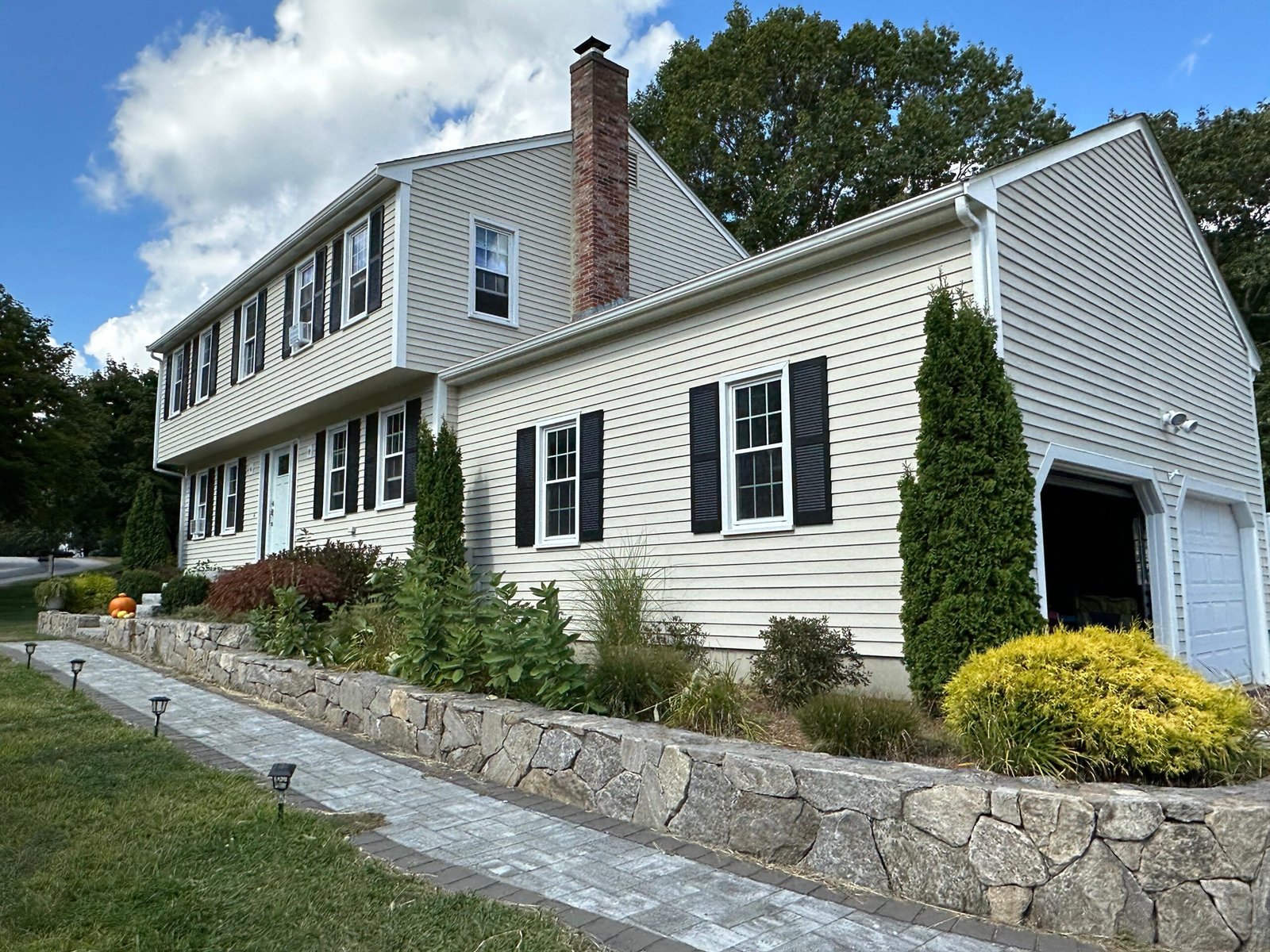
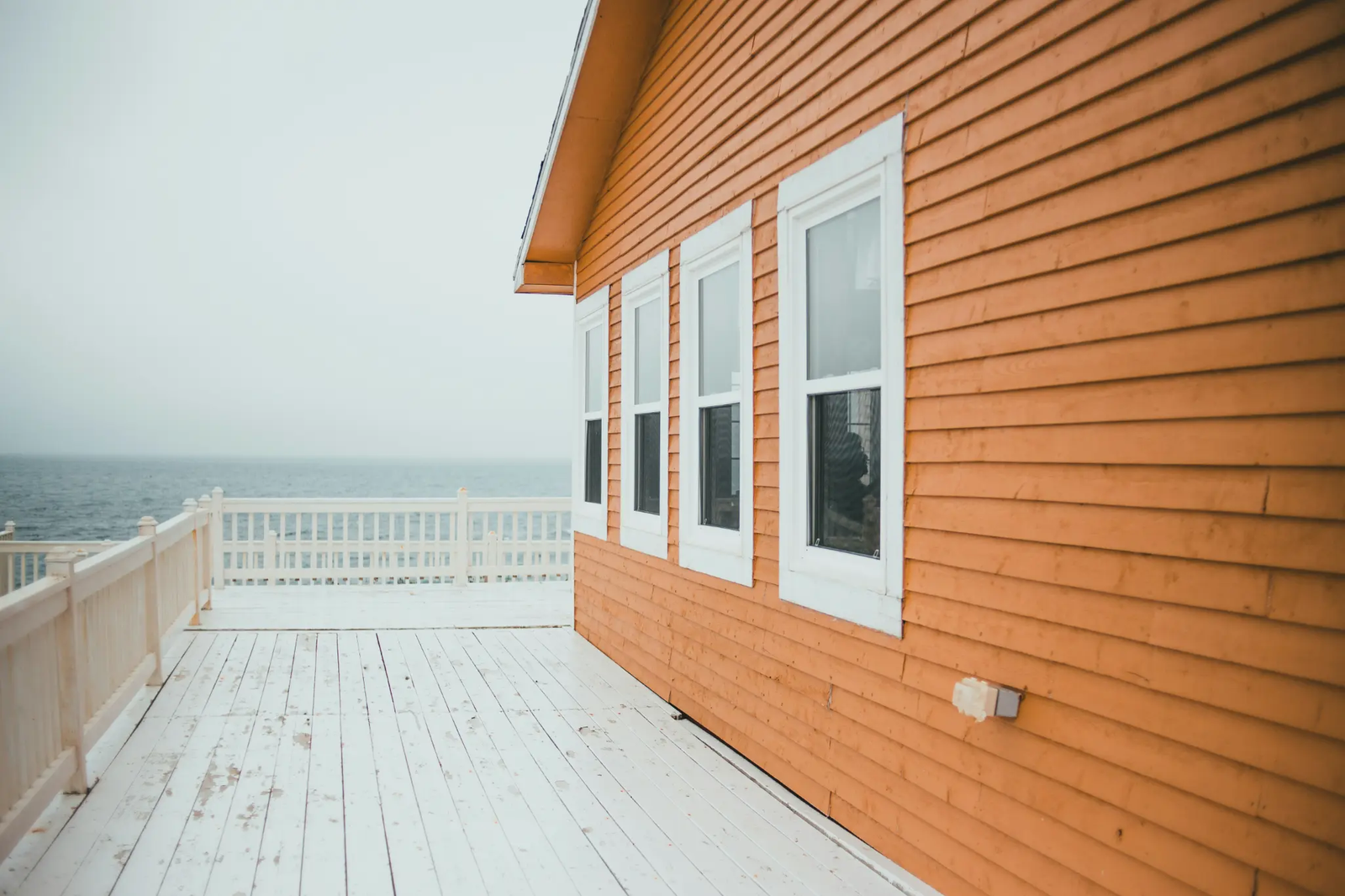
Your home’s exterior is the first thing visitors notice. The right exterior house colors can transform your property, boost curb appeal, and even increase home value. For homeowners in Newton, Wellesley, and throughout Massachusetts, choosing exterior house paint colors requires understanding both aesthetic principles and practical considerations unique to New England’s climate.
Understanding Exterior Paint and Color Selection
Selecting exterior paint involves more than picking a shade you like. The paint you choose must withstand harsh New England winters, humid summers, and direct sunlight exposure throughout the year. Quality exterior paint creates a protective barrier against the elements while maintaining its appearance for years.
When planning an exterior painting project, consider how different materials on your house exterior react to various paint formulations. Wood siding, brick, stucco, and aluminum siding each require specific paint types and preparation methods.
Most Popular Exterior House Colors for New England Homes
Classic Neutrals Lead the Way
Neutrals remain the most popular choice for exterior house paint colors. According to the 2024 US Houzz Outdoor Trends Study, white (23%), gray (19%), and beige (10%) are the top selections among homeowners nationwide. These timeless hues create a clean, sophisticated look that complements traditional New England architecture.
Light to mid-tone gray offers versatility and modern appeal. These neutral colors provide an inviting foundation that works beautifully with both classic colonial homes and contemporary designs. Gray pairs exceptionally well with crisp white trim, creating a striking contrast without overwhelming your home’s architectural features.
Earth Tones Are Gaining Popularity
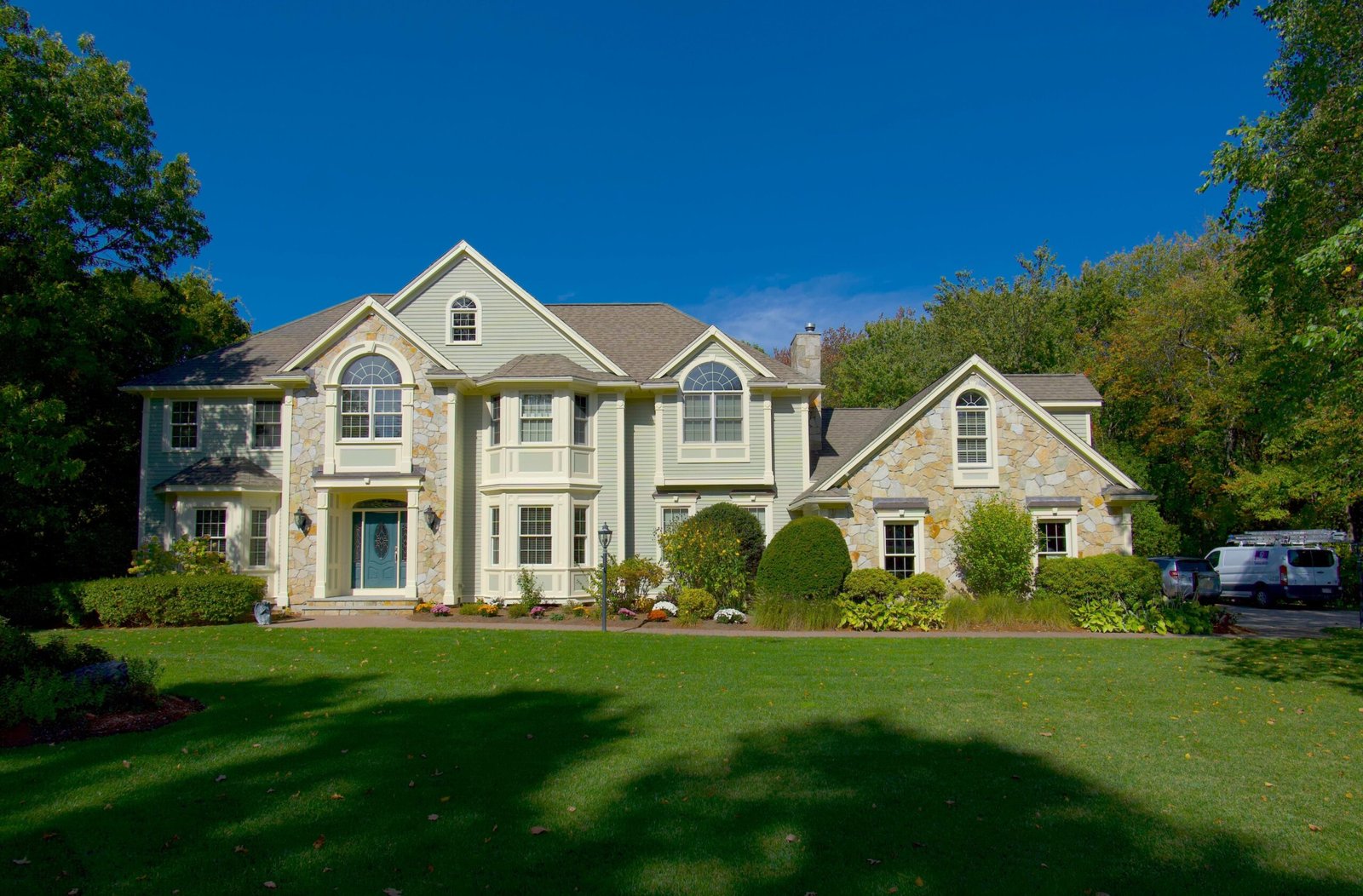
Earth tones have surged in popularity across Massachusetts neighborhoods. Muted sage, olive, and deeper forest greens blend naturally into surrounding landscapes while adding subtle character. These earthy tones feel grounded and appropriate within traditional contexts, making them ideal for colonial and Craftsman-style homes.
Warm beiges and taupes create welcoming exteriors that stand the test of time. When paired with white trim or complementary shutters, these shades enhance your home’s curb appeal without appearing too bold. For Craftsman homes specifically, earthy tones like muted olive green or Craftsman brown create perfect harmony with natural wood and stone elements.
Deep, Moody Hues Make Bold Statements
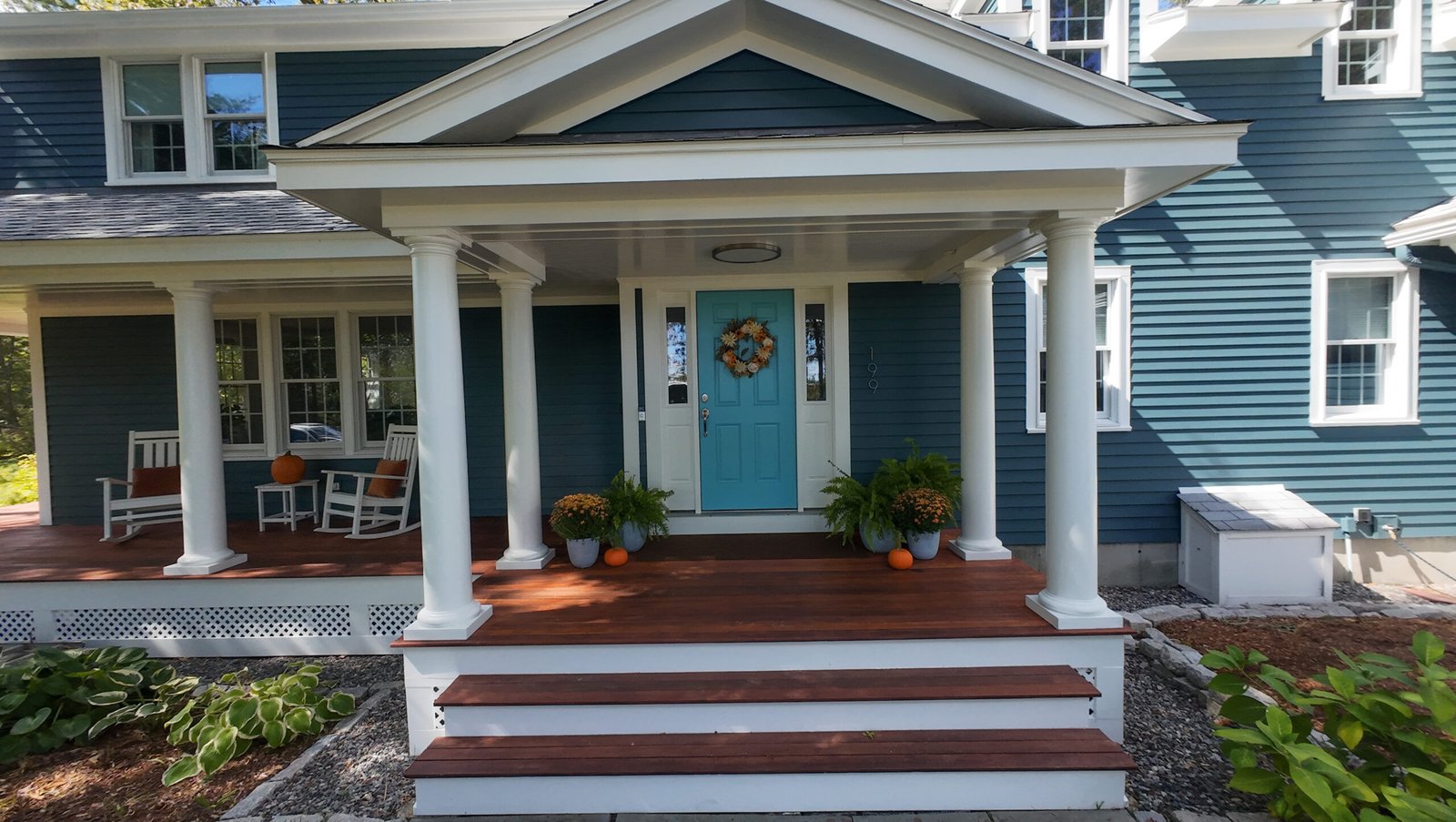
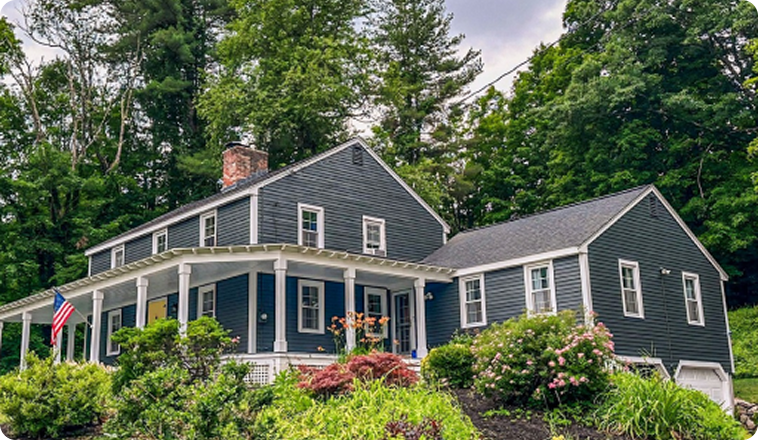
Deep navy blue commands attention while maintaining elegance and sophistication. When paired with crisp white trim, navy creates a stunning visual contrast that highlights architectural details. This classic color combination works particularly well on colonial and Victorian-style homes.
Deep charcoals and near-black shades deliver ultra-modern appeal. Matte black exteriors create high-contrast statements that emphasize sharp architectural lines. While dramatic, these darker hues require careful consideration—they absorb heat and may show dirt more readily than lighter shades.
How Long Does Exterior Paint Last?
Paint Longevity by Surface Material
Understanding how long an exterior paint job lasts helps you plan maintenance and budget accordingly. The material of your exterior significantly impacts paint durability:
Wood siding typically requires repainting every 4 to 7 years. Wood naturally expands and contracts with temperature changes, which can lead to cracking and peeling if not properly maintained. Regular inspections help catch issues before they become major problems.
Brick provides excellent paint longevity, lasting 8 to 17 years between paint jobs. The porous nature of brick allows paint to adhere well when properly primed, making it one of the most durable surfaces for exterior painting.
Stucco surfaces generally hold paint for 5 to 15 years. Stucco’s textured surface provides excellent adhesion, but proper preparation is essential. Cracks or damage must be repaired before painting to ensure lasting results.
Aluminum siding offers moderate durability, with paint lasting 7 to 10 years. Factory-finished aluminum siding can last even longer, but if you’re repainting, proper cleaning and priming are critical for adhesion.
How Color Choice Affects Paint Longevity
Lighter paint colors tend to last longer on exteriors because they reflect sunlight rather than absorbing it. This reduces heat absorption and minimizes fading. Lighter shades like white, cream, and pale gray maintain their appearance longer than darker alternatives.
Darker colors absorb more sun exposure and heat, which can accelerate fading and deterioration. They also show dirt and powdery residue more readily. If you prefer deep hues, expect to repaint slightly more frequently and choose high-quality paint formulated specifically for dark colors.
Choosing the Best Exterior House Colors for Your Home
Consider Your Home’s Architectural Style
Your home’s architecture should guide your color combination choices. Colonial homes shine with classic, restrained palettes—think pure white with black shutters or soft gray with cream trim. These timeless combinations respect the symmetrical, historic nature of colonial design.
Craftsman homes look best in earthy tones that complement natural materials. Body colors like muted olive green, warm taupe, or rich brown paired with cream or soft beige trim honor the Arts and Crafts aesthetic. Pay special attention to how colors interact with wood accents and natural stone elements.
Victorian homes can handle more elaborate color combo selections. Consider using three coordinated colors: one for the main body, another for trim, and a third for accent details like the garage door or decorative elements. The classic 60-30-10 design rule applies here—60% main body color, 30% trim color, and 10% pop of color on doors or architectural features.
Factor in Your Neighborhood and HOA Requirements
Before finalizing your exterior colors, consider your surroundings. Your home should complement neighboring properties rather than clash. While you want your house exterior to stand out positively, extreme departures from neighborhood aesthetics can affect resale value and create discord.
Many Massachusetts communities, particularly those with historic homes, have HOA or municipal historic district requirements. Check for approved historical palette guidelines before purchasing paint. Some districts require specific Benjamin Moore or Sherwin-Williams colors that maintain historical accuracy.
Test Colors Before Committing
Never select exterior paint based solely on small paint chips. Colors appear dramatically different outdoors versus indoors, and lighting conditions change throughout the day. Purchase sample sizes and paint large swatches directly on your house exterior in different locations.
Observe your test patches during various times of day and weather conditions. Morning light creates different effects than afternoon sun exposure. Notice how direct sunlight, shade, and even overcast conditions alter color appearance. Digital tools like Benjamin Moore’s Color Viewer and Sherwin-Williams ColorSnap can help you visualize combinations before testing.
Essential Paint Selection and Application Tips
Invest in High Quality Paint and Primer
Using a quality primer is essential for a long-lasting exterior paint job. Primer helps topcoats adhere better, prevents issues like blistering and bubbling, and creates a uniform base for consistent color. For wood surfaces, an oil-based primer provides superior adhesion and stain blocking.
Choose acrylic latex paint for most exterior applications. This paint type offers excellent durability, flexibility, and weather resistance. Acrylic latex paint breathes properly, allowing moisture to escape from siding while preventing water intrusion. It also cleans up easily with soap and water.
Premium brands like Benjamin Moore and Sherwin-Williams offer superior formulations with better pigment concentration and UV protection. While these products cost more upfront, they deliver better coverage, longer-lasting results, and often require fewer coats—making them a smart investment.
Proper Surface Preparation Makes the Difference
An excellent paint job starts with thorough preparation. Clean all exterior walls to remove dirt, mildew, and loose paint. Pressure washing effectively removes years of accumulated grime, but use appropriate pressure settings to avoid damaging siding or wood.
Repair damaged areas before painting. Fill cracks with appropriate caulk or wood filler, replace rotted wood, and sand rough surfaces smooth. Proper prep work ensures your paint job looks professional and lasts significantly longer.
Apply Multiple Coats for Maximum Protection
Applying two topcoats over primer significantly enhances durability and protection. This creates a thicker, more resilient barrier against the elements. While it requires more time and materials, the extended lifespan justifies the additional investment.
Paint during optimal weather conditions. Choose cooler days or work in shaded areas when possible. Exterior paint applied in extreme heat dries too quickly, leading to uneven coverage and visible brush marks. Ideal application temperatures range from 50°F to 85°F with moderate humidity.
Color Combination Strategies That Work
The Power of Contrast
Seventy-one percent of homeowners choose a wall color that contrasts with their trim color. This preference for contrast makes sense—it enhances visual appeal and highlights architectural details. White trim against colored siding creates classic elegance, while colored trim against white siding offers a more contemporary look.
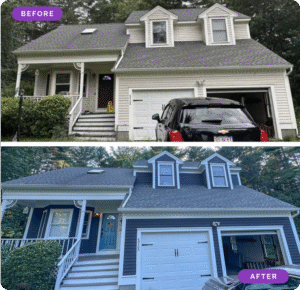
When selecting color combos, ensure adequate contrast between body and trim. Your trim color should either be noticeably lighter or darker than the main house color. Subtle differences often appear muddy and unclear, reducing visual impact.
Coordinating with Fixed Elements
Consider permanent features that won’t change: roof color, brick accents, stone foundations, and natural wood elements. Your exterior colors should harmonize with these existing materials. A red brick foundation pairs beautifully with cream or gray siding, while natural stone complements earth tones and neutral colors.
Don’t forget smaller details like the garage door, shutters, and front door. These elements offer opportunities for coordinated color pops that add personality. A bright front door in yellow, blue, or even bold red creates a welcoming focal point without overwhelming your entire facade.
Regional Color Trends Worth Considering
For 2025, exterior house colors trending in New England include sophisticated earth tones and refreshed classics. Gray Heron (a soft, warm gray) pairs beautifully with dark gray accents and cream trim. Pacific Blue is making a comeback, offering coastal vibrancy that feels right at home in Massachusetts.
Green continues gaining popularity. Sage, olive, and deeper forest greens introduce color that feels both fresh and timeless. These hues work particularly well in tree-lined neighborhoods, blending your home naturally into its surroundings.
Maintaining Your Exterior Paint Job
Regular maintenance extends the life of any exterior paint job. Pressure wash your siding annually to remove dirt and mildew that can make paint appear faded prematurely. Address minor issues promptly—a small touch-up prevents larger problems down the road.
Inspect your home’s exterior twice yearly, particularly after harsh weather. Look for peeling, cracking, or areas where paint has worn thin. Early intervention with spot repairs and fresh coat touch-ups prevents moisture damage to underlying materials.
Keep gutters clean and ensure proper drainage around your foundation. Water is paint’s greatest enemy. When moisture gets behind paint, it causes peeling, bubbling, and accelerated deterioration. Proper water management significantly extends paint longevity.
Professional Color Consultation and Application
Choosing exterior house colors involves balancing personal taste, architectural appropriateness, and practical considerations. While DIY enthusiasts can handle smaller projects, larger exterior painting benefits from professional expertise.
Professional painters understand how different materials accept paint, which primers work best for specific surfaces, and how to achieve smooth, durable finishes. They also complete projects safely and efficiently, with proper equipment and surface preparation techniques.
At GL Alliance Painting, we offer free color consultations to help Newton, Wellesley, and surrounding Massachusetts homeowners select ideal color combinations. Our team understands New England architecture and climate requirements, ensuring your exterior paint job delivers both beauty and lasting protection.
Make Your Exterior Transformation a Reality
Your home’s exterior color sets the tone for your entire property. Whether you prefer timeless neutrals, trendy earth tones, or bold statements, the perfect color combination enhances architecture, creates curb appeal, and protects your investment.
Take time to research options, test samples in real conditions, and consider both immediate impact and long-term maintenance. Quality materials, proper preparation, and expert application create exterior paint jobs that protect your home and maintain its beauty for years.
Ready to transform your home’s exterior? Contact GL Alliance Painting at 857-255-1336 for a free consultation and estimate. Our experienced team serves Newton, Wellesley, Dover, Lexington, and throughout Massachusetts with professional exterior painting services backed by our 3-year warranty.