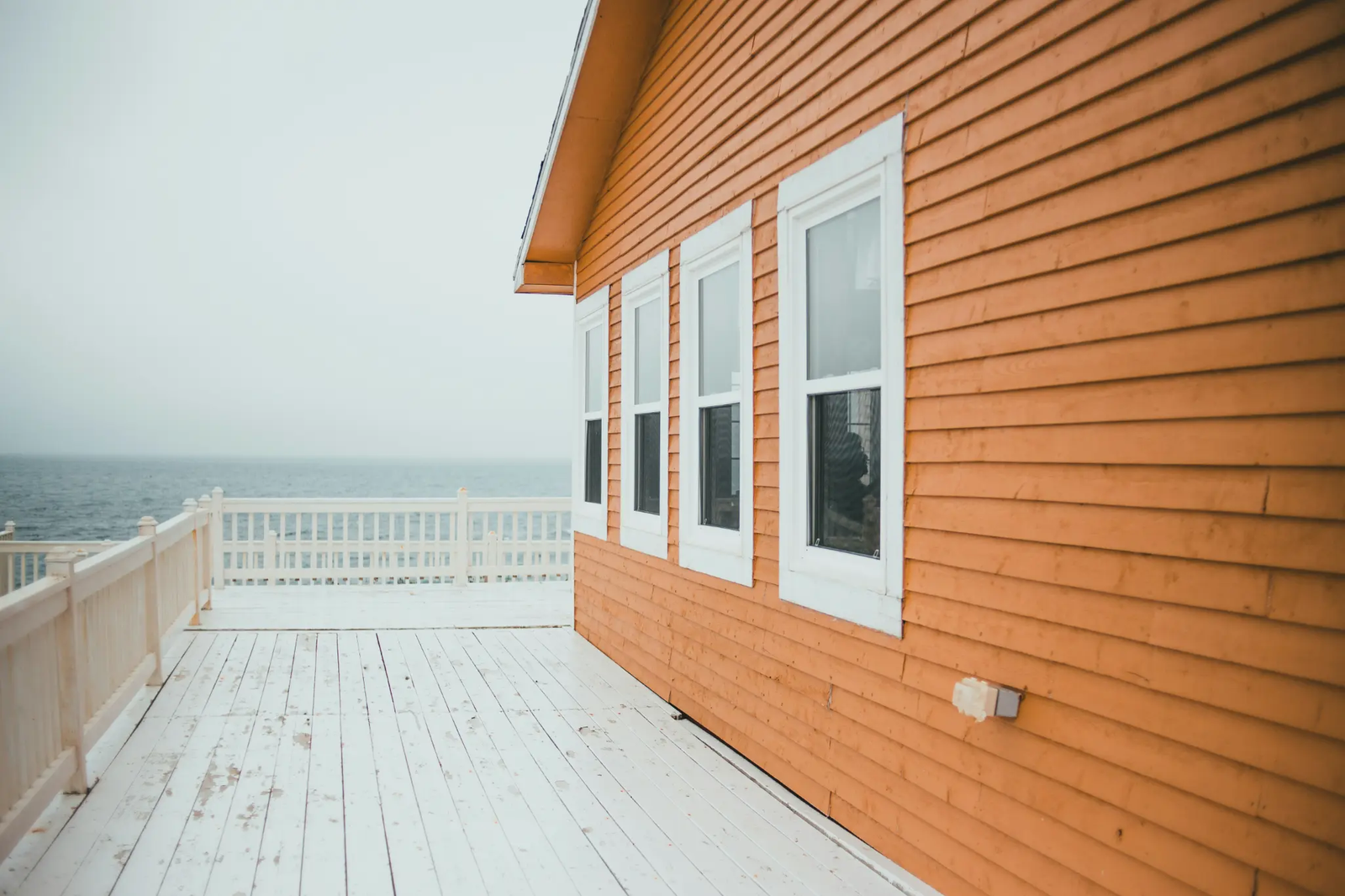
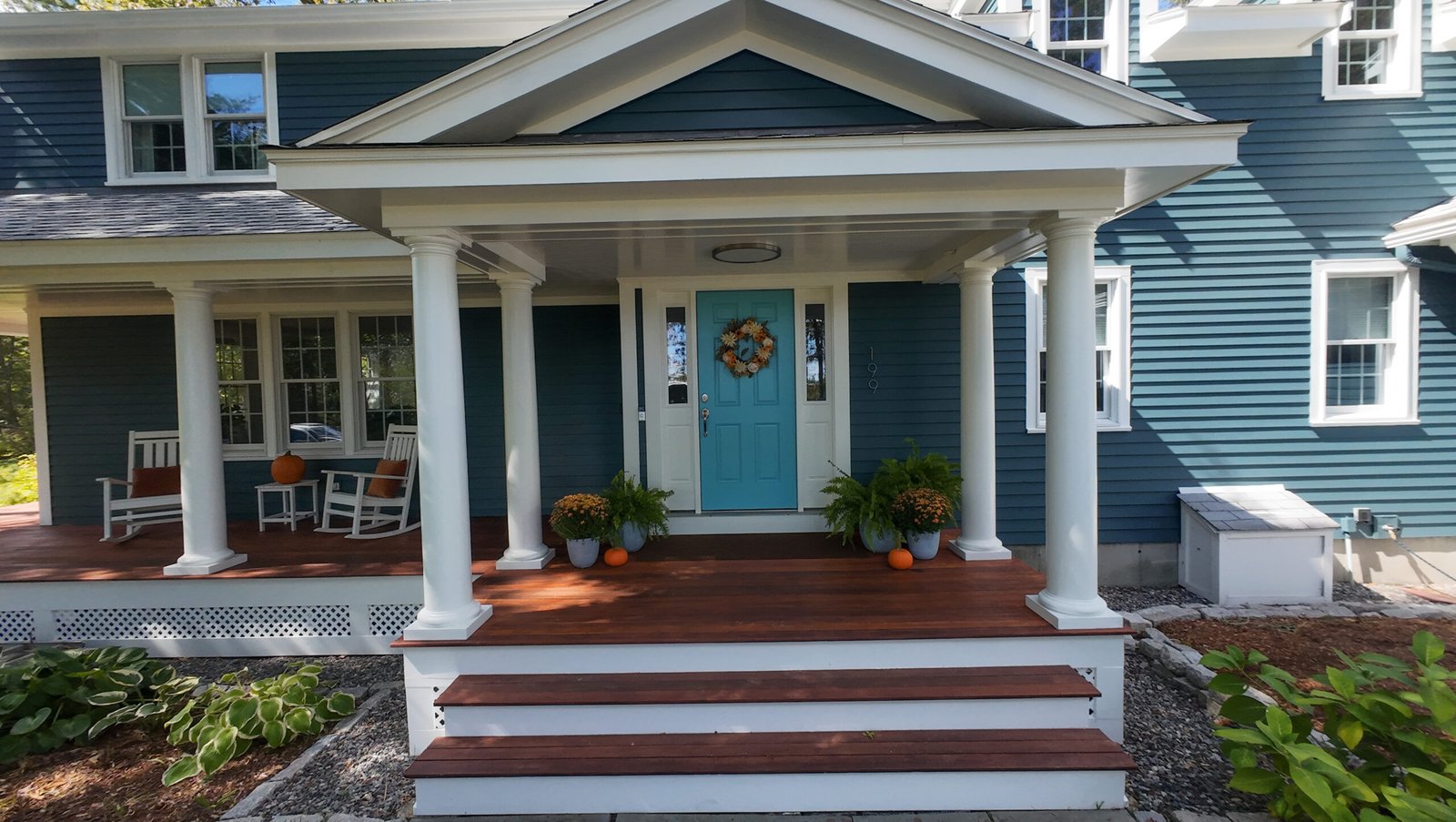
Choosing exterior paint colors isn’t just a design decision. It can shape first impressions, reduce “objections” during showings, and boost your home’s curb appeal—especially in Massachusetts where light changes fast by season and older homes have strong architectural character.
This 2026 guide covers what’s trending, what buyers still trust, and how to build color combinations that feel high-end without feeling risky. You’ll also find practical exterior house paint ideas you can use whether you’re selling soon or simply updating your home’s exterior.
Why The Right Color Choice Impacts Value
Buyers tend to notice the exterior before they notice the kitchen upgrades. A clean, cohesive color scheme signals a well-maintained home. On the flip side, a clashing palette, obvious fading, or peeling paint can make people assume there are bigger issues hiding underneath.
The goal is to pick colors that look “intentional” in daylight, at dusk, and in winter light—then pair them with an exterior paint system that performs well in New England weather.
The 2026 Look: Classic Foundations With Stronger Accents
In 2026, the trend is not wild color. It’s a classic base with confident accents.
A few directions that keep showing up:
- The white-and-black farmhouse trend remains popular, but “soft whites” are replacing stark, icy whites.
- Nature-inspired greens are gaining popularity for exterior paint, especially sage and olive-leaning tones.
- Moody dark colors such as deep browns and charcoals enhance curb appeal when used on doors, shutters, and trim details.
These trends work because they feel updated while still respecting traditional New England architecture.
Start With A Balanced Exterior Color Scheme
If you want the simplest rule that works on nearly every house, it’s this: a balanced exterior color scheme consists of a main body color, trim color, and accent color.
Here’s how to think about it without overcomplicating things:
- Main body color: the “calm” foundation (siding, shingles, or clapboards)
- Trim color: the frame (fascia, window trim, corner boards)
- Accent color: the pop (front door, shutters, sometimes the garage door)
This structure also makes it easier to match your home to the neighborhood without disappearing into it.
High-ROI Color Palettes For Massachusetts Homes In 2026
The best color choices depend on architecture, roof color, and fixed materials like stone and brick. Colors should harmonize with existing fixed elements like brick and stone, because those are expensive to change and they dominate the look.
Below are resale-friendly color palettes that fit common Massachusetts home styles.
Soft White Body + Dark Accents (Modern Farmhouse Done Right)
Soft creamy whites are preferred over stark whites for a modern look. For a more distinctive version of the farmhouse feel, creamy tones with dark bronze offer a unique farmhouse style—think creamy siding, bronze/black windows, and a deep door color.
This combo looks clean, reads “new,” and photographs well.
Warm Greige Or Taupe + Crisp Trim (Quietly Expensive)
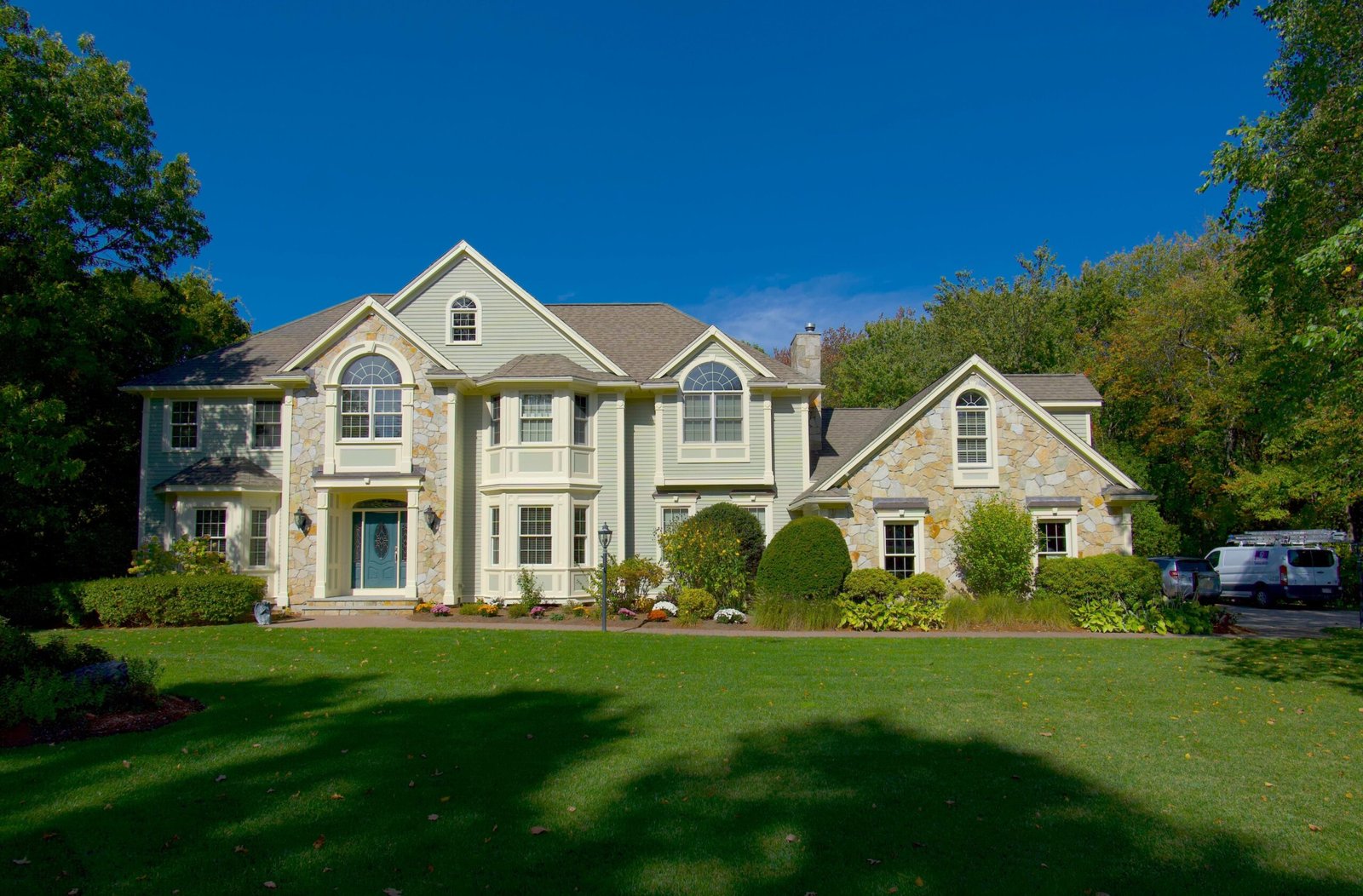
Warm neutrals like taupe and greige are popular for their inviting aesthetics. They’re also forgiving around landscaping and stonework.
A warm greige body with a clean white trim and a charcoal door is one of the safest high-end looks for New England.
Blue-Gray + White Trim (Classic Coastal Without Being Theme-y)
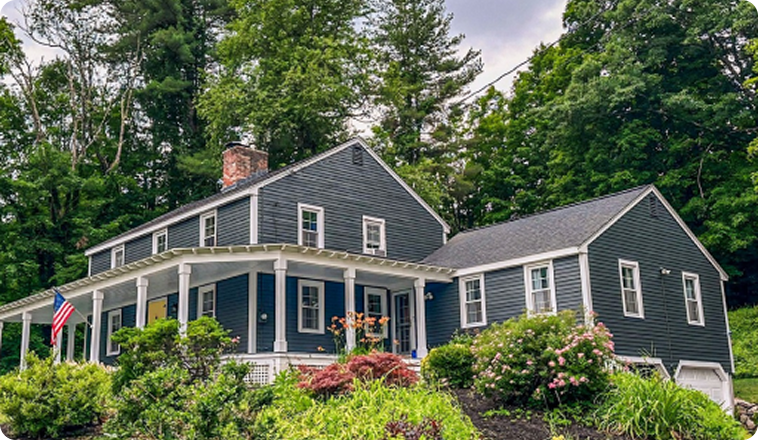
Blue-gray works well on many colonials and capes. It gives you color without shouting. Pair it with white trim and a deeper navy or black door for contrast.
Sage Or Olive Green + Creamy Trim (The “Architect-Approved” Look)
This is where 2026 is heading. Green reads natural, established, and upscale—especially on older homes with mature trees and traditional trim profiles.
If you’re worried green will feel trendy, keep the trim creamy and the accents restrained.
Deep Charcoal Or Brown (Best As Accents, Not Always Full Body)
Dark colors can look stunning, but they show dust, pollen, and chalking faster. Many homeowners get the highest ROI by using moody dark tones on shutters, gables, or doors rather than the entire body.
Match The Palette To The Architecture (Not Just Personal Style)
It’s normal to want the house to reflect your personal style, but resale-friendly choices still need to respect the structure. Colors should reflect the architectural style of the home to ensure cohesiveness, and harmonizing colors with the surroundings creates a visually appealing exterior.
Two useful examples from major paint brands:
- Sherwin-Williams offers a Suburban Modern Palette for mid-century homes.
- America’s Heritage Palette features colors for colonial-style homes.
You don’t have to use those exact sets, but the idea is helpful: modern shapes tolerate cleaner contrast, while colonial and traditional homes usually look best with softer, heritage-leaning pairings.
The house was designed with a color logic already built in — a colonial wants heritage softness, a mid-century wants clean contrast. Working with that logic reads as “expensive”; fighting it reads as “flipped.”
Energy Efficiency: Why Lighter Colors Are Still Popular
Color can affect comfort and costs. Lighter colors reflect more sunlight and keep homes cooler, which matters more than ever during hot stretches. People choose reflective colors to save on cooling bills, and off-whites, creams, and beiges are effective for energy efficiency.
That doesn’t mean dark is “bad.” It means dark is best used strategically—often as an accent where it adds depth without turning your entire house into a heat magnet.
Testing Paint Samples Outdoors Is Non-Negotiable
The fastest way to avoid an expensive mistake is to test your choices outside. Testing paint samples outdoors is essential to see how colors appear in different lighting. A color can look perfect in a sample card, then shift once it’s next to brick, roof shingles, and greenery.
There’s a simple reason a swatch betrays you on the wall: “paint looks different under artificial light versus natural light” — and an exterior lives under shifting sun all day, so the only honest test is a large sample outdoors, viewed morning to dusk.
— Source: HGTV
If you’re choosing between two similar neutrals, test them on different sides of the house. The north side and south side can look like two different homes.
Test on the north and south walls both — New England sun makes the same greige look warm and inviting on one side and cold and gray on the other, and you want to love it everywhere.
Best Exterior Paint: What Matters More Than The Label
Homeowners often ask for the best exterior paint, but the truth is: performance comes from the system and the prep, not the marketing name.
That said, choosing high-quality products can protect your investment. You’ll see strong options from Sherwin Williams and Benjamin Moore, and both brands offer premium lines that hold color and resist fading well when applied correctly. When people search “best exterior paints,” what they usually want is fewer repaints, fewer touch-ups, and better resistance to weather.
Independent testing can help set expectations, too:
- Consumer Reports tests predict paint longevity over nine years.
- Exterior paints resist cracking in weathering tests by Consumer Reports.
- PPG Permanizer showed minimal color shift after three years.
- Behr Pro E600 outperformed more expensive paint options.
Those longevity claims come from a genuinely tough protocol: samples sit on a test roof for three years, “which simulates nine years on a home,” tilted south to amplify the sun and checked yearly for cracking, dirt, and fading — a far better durability guide than any label.
— Source: Consumer Reports, “Paints test program”
The takeaway: you can get great results across brands. Focus on matching the coating to your surface and exposure, then make sure prep is done right.
Prep Still Drives ROI (Because Buyers Notice Peeling And Fading)
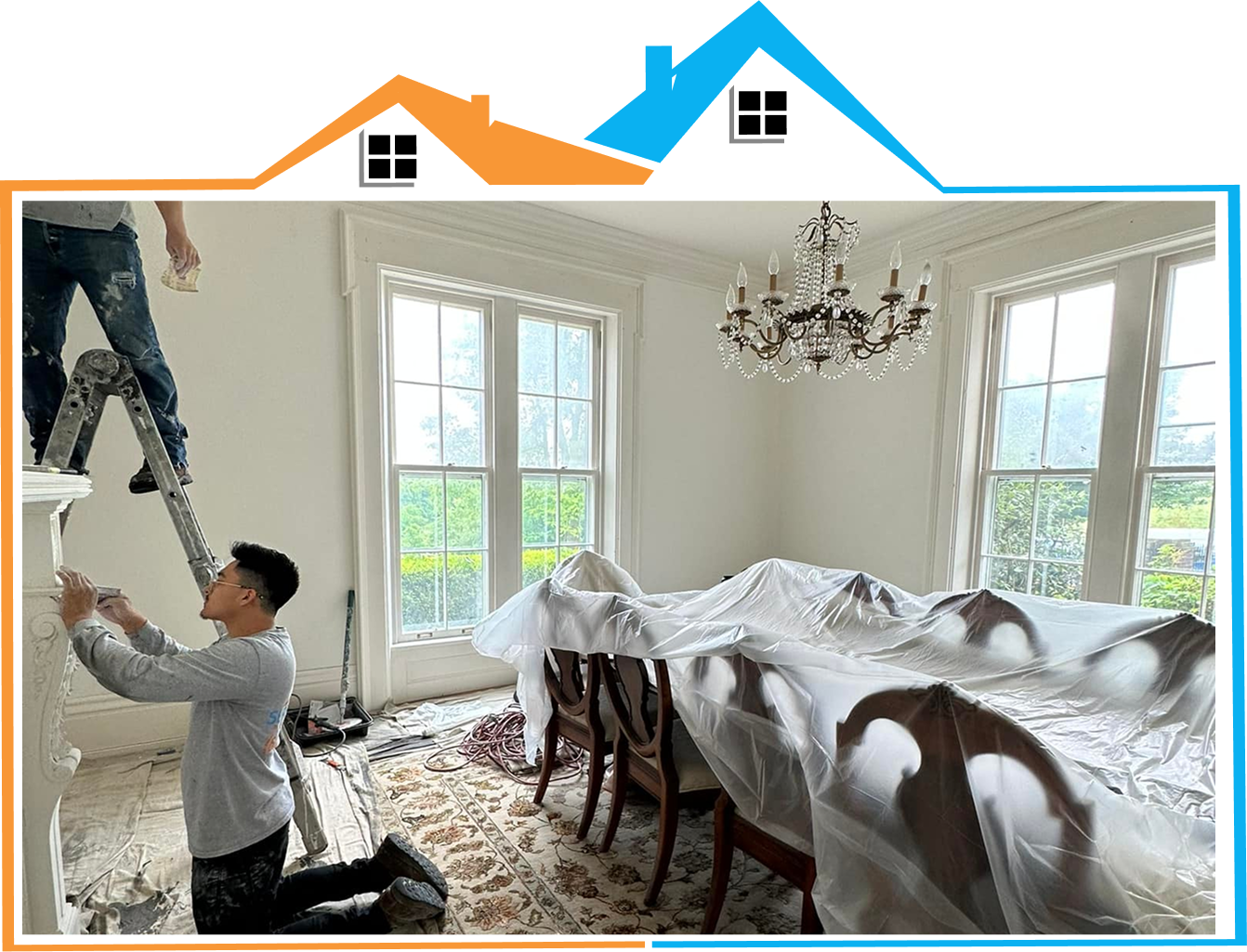
Even perfect colors can’t hide poor prep. If there’s peeling, chalking, or bare spots, paint won’t bond well. A quality primer matters on exposed or repaired areas, and a good contractor will plan for sanding, scraping, and spot-priming so the finish looks uniform.
In New England, sunlight and moisture swings can speed up fading. Choosing better paint helps, but the real value comes from clean surfaces, proper primer use, and correct dry-time planning.
For an exterior, the calendar matters as much as the can: the ideal window falls “between late spring and early fall,” when milder, lower-humidity weather lets each coat dry and cure evenly instead of fighting dew or heat.
— Source: Homes & Gardens, “The best time to paint a house exterior”
A Quick “Sell-Smart” Checklist Before You Commit
- Choose colors that fit the architecture and neighborhood context.
- Build a three-part palette: body, trim, accent.
- Harmonize with fixed elements like brick, stone, and roofing.
- Test outdoors in different lighting.
- Pick an exterior paint line designed for durability, not just color range.
When all of that comes together, the result looks intentional—and that’s what buyers pay attention to.
Final Thoughts
In 2026, the highest-value exteriors are still rooted in classic choices: soft whites, warm neutrals, blue-grays, and nature-inspired greens—paired with darker accents for contrast. If you want exterior paint colors that support resale value, aim for cohesion first, then personality in the accents.
“Color and durability are the same decision on a Massachusetts exterior. The most beautiful palette still fails if the prep is rushed or the coat cures through a cold snap — so we help homeowners choose shades that flatter the architecture and a system that survives New England, then time the job to the weather. That’s what turns a repaint into resale value.”
— The team at GL Alliance Painting, Newton, MA
If you’re in Newton or the Boston suburbs and want a second opinion on palettes, sheen, and product selection, GL Alliance Painting offers color consultation and free estimates. Get in touch for a free estimate.